

Introduction
Digital banking has completely changed the way people manage money. A few years ago, customers had to visit physical branches for simple banking tasks like checking balances, transferring funds, or paying bills. Today, banking apps make these activities possible within seconds from a smartphone. Because of this shift, millions of users now rely on mobile banking applications for daily financial management.
A detailed banking apps comparison helps users understand which application fits their lifestyle, budget, and financial goals. Every banking app offers different features, including mobile transfers, online bill payments, budgeting tools, virtual cards, cashback rewards, and customer support. Some apps focus on speed and convenience, while others prioritize security and investment services.
This banking apps comparison guide explains how these applications work, why they matter, and how to evaluate them properly. It also covers benefits, disadvantages, common mistakes, frequently asked questions, and expert recommendations. By the end of this article, beginners and intermediate users will clearly understand how to choose a banking app that matches their financial needs and provides a smooth digital banking experience.
What is Banking Apps Comparison?
A banking apps comparison is the process of evaluating different mobile banking applications based on their features, security, performance, convenience, fees, and user experience. Instead of selecting a banking app randomly, users compare multiple options to identify the best solution for their personal or business financial needs.
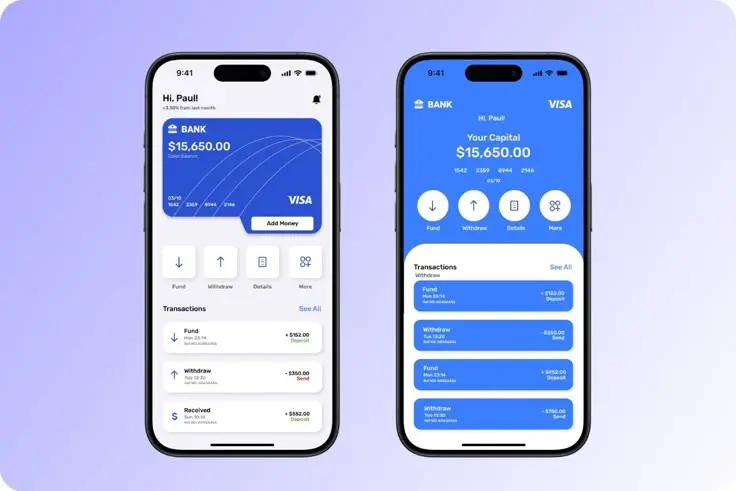
Modern banking apps allow users to perform many tasks without visiting a physical branch. These services often include:
- Money transfers
- Mobile check deposits
- Utility bill payments
- Investment tracking
- Debit and credit card management
- Budget monitoring
- Savings automation
- Loan applications
- Cryptocurrency support
- Customer support chat
A proper banking apps comparison examines all these features carefully. For example, one app may provide excellent budgeting tools but limited international transfer support. Another app may offer fast transfers and cashback rewards but charge monthly maintenance fees.
Many users also compare banking apps based on security measures. Features like biometric login, two-factor authentication, fraud detection, and transaction alerts have become essential in digital banking.
In simple words, banking apps comparison helps customers avoid poor financial decisions and choose applications that provide convenience, security, affordability, and long-term value.
Why is Banking Apps Comparison Important?
The financial industry has become highly competitive. Traditional banks and digital-only banks continuously launch new mobile applications with advanced features. Because of this growing competition, users now have countless options.
A banking apps comparison is important because not every application serves the same purpose. Some banking apps are designed for students, while others focus on freelancers, travelers, investors, or business owners.
Here are several reasons why comparing banking apps matters:
Better Financial Control
A good banking app helps users monitor expenses, create budgets, and track spending habits efficiently. Comparing apps allows customers to choose a platform with the best financial management tools.
Improved Security
Cybersecurity threats continue to increase globally. Comparing apps helps users identify platforms with advanced protection systems such as biometric verification and encrypted transactions.
Lower Fees
Some banks charge hidden fees for transfers, maintenance, foreign transactions, or ATM withdrawals. A detailed banking apps comparison helps customers avoid unnecessary costs.
Faster Transactions
Transaction speed matters for both personal and business banking. Comparing apps ensures users select a platform that processes payments and transfers quickly.
Better Customer Experience
Customer support quality differs significantly among banking apps. Some offer live chat support twenty-four hours a day, while others respond slowly. Reviews and comparisons help users identify reliable service providers.
Access to Extra Features
Many modern banking apps provide additional services like cashback rewards, savings automation, investment tools, and credit score tracking. Comparing options helps users maximize financial benefits.
Without proper research, customers may choose apps that fail to meet their expectations. Therefore, banking apps comparison plays a critical role in modern financial planning.
Detailed Step-by-Step Guide
Step 1: Identify Your Banking Needs
Before comparing apps, determine your primary financial requirements. Different users have different goals.
For example:
- Students may need low fees and easy budgeting tools.
- Travelers may prioritize international transactions.
- Freelancers may require invoice and payment tracking.
- Investors may look for integrated investment services.
- Families may prefer shared expense management.
Understanding your needs simplifies the banking apps comparison process and prevents confusion.
Step 2: Check Security Features
Security should always be the top priority. Since banking apps handle sensitive financial information, users must evaluate security systems carefully.
Important security features include:
- Two-factor authentication
- Fingerprint or facial recognition login
- Data encryption
- Fraud monitoring
- Instant transaction alerts
- Device management controls
Applications with strong security systems reduce the risk of fraud, hacking, and unauthorized access.
Step 3: Compare User Interface and Experience
A banking app should be easy to navigate. Complicated menus and slow loading times create frustration.
During a banking apps comparison, evaluate:
- Dashboard design
- Navigation simplicity
- App speed
- Accessibility features
- Transaction history visibility
- Search functions
An intuitive interface improves daily banking efficiency and saves time.
Step 4: Analyze Transaction Features
Different banking apps provide different transaction capabilities.
Check whether the app supports:
- Local transfers
- International transfers
- QR payments
- Bill payments
- Mobile wallet integration
- Scheduled payments
- Recurring transfers
Users who frequently send money internationally should compare exchange rates and transfer fees carefully.
Step 5: Evaluate Fees and Charges
Many users ignore fees until they begin using the app regularly. This mistake can become expensive over time.
Common banking app charges include:
- Monthly maintenance fees
- ATM withdrawal fees
- Foreign transaction fees
- Overdraft fees
- Transfer charges
- Currency conversion fees
A complete banking apps comparison always includes a detailed fee analysis.
Step 6: Review Customer Support
Reliable customer service is essential during financial emergencies.
Check whether the banking app offers:
- Live chat support
- Phone support
- Email support
- Help center articles
- Fast response times
- Multi-language support
Reading customer reviews can also help identify common service issues.
Step 7: Examine Additional Features
Modern banking apps now offer many advanced tools beyond traditional banking.
Popular extra features include:
- Savings goals
- Expense categorization
- Investment options
- Cashback rewards
- Credit score tracking
- Subscription management
- Spending insights
These additional features can improve financial planning and help users save money.
Step 8: Read User Reviews and Ratings
User feedback provides valuable real-world insights.
While comparing banking apps, look for reviews related to:
- App crashes
- Transaction delays
- Security problems
- Customer support quality
- Hidden fees
- Ease of use
However, avoid relying only on extremely positive or negative reviews. Balanced feedback provides the most accurate information.
Step 9: Test the App Yourself
Most banking apps are free to download. Testing an app personally is one of the best ways to evaluate its performance.
Pay attention to:
- Login speed
- Menu organization
- Notification accuracy
- Transfer processing time
- Overall responsiveness
Hands-on experience often reveals issues that marketing materials do not mention.
Step 10: Compare Long-Term Value
The best banking app is not always the one with the most features. Instead, it should provide long-term value based on your lifestyle and financial habits.
Consider factors such as:
- Future financial goals
- International usage
- Savings opportunities
- Investment expansion
- Credit-building tools
Choosing a banking app with long-term flexibility helps avoid switching platforms frequently.
Benefits of Banking Apps Comparison
A detailed banking apps comparison provides several advantages for users.
- Helps users select the most secure banking platform
- Reduces the risk of hidden charges and unnecessary fees
- Improves overall money management efficiency
- Provides access to useful financial tools and features
- Saves time through faster transactions and easier navigation
- Enhances budgeting and expense tracking capabilities
- Helps identify apps with reliable customer support
- Allows users to maximize cashback and reward programs
- Supports better long-term financial planning
- Increases convenience for daily banking activities
Comparing banking apps before making a decision can significantly improve the overall digital banking experience.
Disadvantages / Risks
Although digital banking offers many benefits, users should also understand potential disadvantages and risks.
- Cybersecurity threats may expose sensitive financial data
- Poor internet connections can interrupt transactions
- Some apps may contain hidden fees
- Technical issues can delay payments or transfers
- Customer support may not always respond quickly
- Certain banking apps limit international access
- Mobile device theft may create security concerns
- Frequent updates can occasionally cause app instability
- Some digital-only banks lack physical branches
- Overdependence on technology may create problems during outages
Understanding these risks helps users make smarter financial decisions and maintain safer online banking habits.
Common Mistakes to Avoid
Many people rush into selecting a banking app without proper research. Avoiding common mistakes can prevent future frustration.
Ignoring Security Features
Some users focus only on rewards and convenience while ignoring security systems. Weak security can lead to fraud or account breaches.
Choosing Based Only on Popularity
A popular banking app may not suit every user. Always evaluate features based on personal financial needs rather than trends.
Overlooking Hidden Charges
Many users fail to read fee structures carefully. Small charges can accumulate significantly over time.
Ignoring Customer Reviews
User reviews often reveal recurring issues like delayed transfers or poor support services.
Using Multiple Banking Apps Unnecessarily
Managing too many financial apps can create confusion and increase security risks.
Forgetting About International Usage
Some apps work well locally but perform poorly for international transfers or travel-related expenses.
Neglecting Backup Security Measures
Users should always enable additional protection like two-factor authentication and transaction alerts.
Not Updating the App Regularly
Outdated applications may contain security vulnerabilities or compatibility issues.
Avoiding these mistakes improves the overall digital banking experience and protects financial information.
FAQs
1. What should I look for in a banking apps comparison?
The most important factors include security, transaction speed, fees, customer support, budgeting tools, and user experience. Users should also evaluate whether the app supports their personal financial goals.
2. Are digital banking apps safe to use?
Most reputable banking apps use advanced security systems such as encryption, biometric login, and fraud detection. However, users should still follow safe online banking practices.
3. Which banking app is best for beginners?
The best app for beginners usually offers a simple interface, low fees, budgeting tools, and responsive customer support. Ease of navigation is especially important for new users.
4. Can I use more than one banking app?
Yes, many people use multiple banking apps for different purposes. For example, one app may handle savings while another manages daily expenses or international transfers.
5. Why do some banking apps charge fees?
Banks may charge fees to cover operational costs, premium features, foreign transactions, or ATM services. Comparing apps helps users identify affordable options.
6. How do banking apps make money?
Banking apps generate revenue through transaction fees, subscription plans, interest rates, partnerships, and premium financial services.
7. What happens if a banking app crashes during a transaction?
Most reputable banks maintain transaction records even during technical issues. Users should check account activity and contact customer support if problems continue.
8. Are banking apps better than traditional banking?
Banking apps offer convenience, faster access, and digital tools that traditional banking may lack. However, some users still prefer physical branches for complex financial matters.
Expert Tips & Bonus Points
Choosing the right banking app becomes easier when users follow practical strategies and expert recommendations.
Prioritize Security Over Rewards
Cashback offers and discounts are attractive, but strong security should always come first.
Use Budgeting Features Consistently
Many banking apps include spending analytics and budget tracking tools. Using these features regularly can improve financial discipline.
Enable Instant Notifications
Transaction alerts help users detect suspicious activity quickly and monitor spending habits.
Compare Exchange Rates
Frequent travelers and freelancers should compare foreign transaction rates carefully before selecting an app.
Keep Emergency Backup Options
It is wise to maintain access to a secondary payment method in case the primary banking app experiences technical issues.
Update Passwords Regularly
Changing passwords periodically improves account security and reduces hacking risks.
Monitor Subscription Services
Many users forget recurring subscriptions connected to banking apps. Reviewing these expenses monthly can prevent unnecessary spending.
Avoid Public Wi-Fi for Banking
Public internet connections increase cybersecurity risks. Secure private networks are safer for financial transactions.
Review App Permissions
Some apps request unnecessary device permissions. Limiting permissions protects personal data and privacy.
Track Financial Goals
Banking apps with savings goals and progress tracking can help users stay motivated and organized.
Conclusion
Digital banking continues to reshape the financial world, making banking services faster, easier, and more accessible than ever before. As mobile banking technology evolves, users now have access to powerful financial tools directly from their smartphones. However, not every application delivers the same level of security, convenience, affordability, or customer support. This is why a detailed banking apps comparison remains essential.
Comparing banking apps allows users to identify the platforms that best match their financial habits and long-term goals. Features such as transaction speed, budgeting tools, investment services, international transfer options, and fraud protection all play important roles in the decision-making process. Ignoring these factors can result in poor financial experiences, hidden costs, or security risks.
A successful banking apps comparison should always begin with understanding personal financial needs. After that, users should evaluate security systems, fees, usability, customer service quality, and extra features carefully. Reading reviews, testing applications, and comparing long-term value can further improve decision-making.
