

Introduction
The way people handle money has changed dramatically during the last decade. Traditional cash payments are slowly being replaced by faster and more convenient digital methods. One of the biggest innovations in modern finance is the digital wallet. From shopping online to paying bills in stores, digital wallets have become a simple solution for millions of users worldwide.
A digital wallet allows users to store payment information securely on a smartphone, tablet, or computer. Instead of carrying physical cash or multiple bank cards, people can complete transactions with just a few taps. This technology has transformed online shopping, banking, travel bookings, and even daily grocery purchases.
For beginners, understanding how a digital wallet works may seem confusing at first. However, once the basics become clear, using one becomes easy and practical. Digital wallets are designed to save time, improve payment security, and simplify financial management.
What is a Digital Wallet?
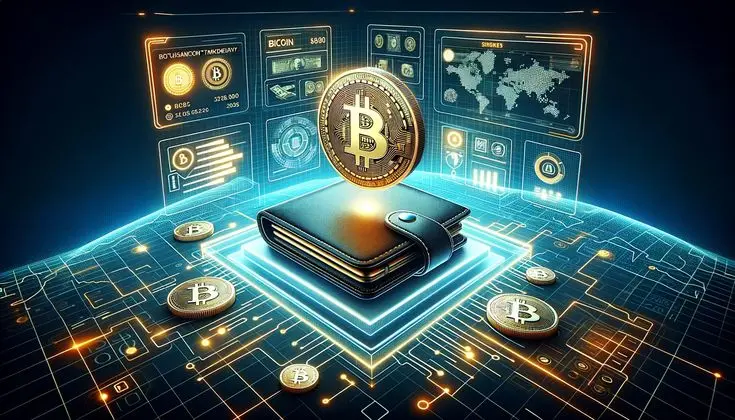
A digital wallet is an electronic application or software that stores payment information securely and allows users to make online or contactless transactions. It acts like a virtual version of a physical wallet.
Users can store:
- Debit card information
- Credit card details
- Bank account information
- Gift cards
- Loyalty cards
- Tickets and coupons
- Cryptocurrency in some cases
Digital wallets work through mobile apps, websites, or built-in smartphone payment systems. Popular examples include mobile banking apps, online payment services, and smartphone payment platforms.
When making a payment, the digital wallet securely transfers payment information to the seller without exposing sensitive card details. This process makes transactions faster and often more secure than traditional payment methods.
Many digital wallets also use additional security measures such as passwords, fingerprint scans, facial recognition, and one-time verification codes. These features help protect users from unauthorized access.
Digital wallets are commonly used for:
- Online shopping
- Sending money to friends or family
- Paying utility bills
- Booking tickets
- Contactless in-store payments
- Managing subscriptions
Because of their convenience and growing acceptance worldwide, digital wallets continue to become more popular among both consumers and businesses.
Why is Digital Wallet Important?
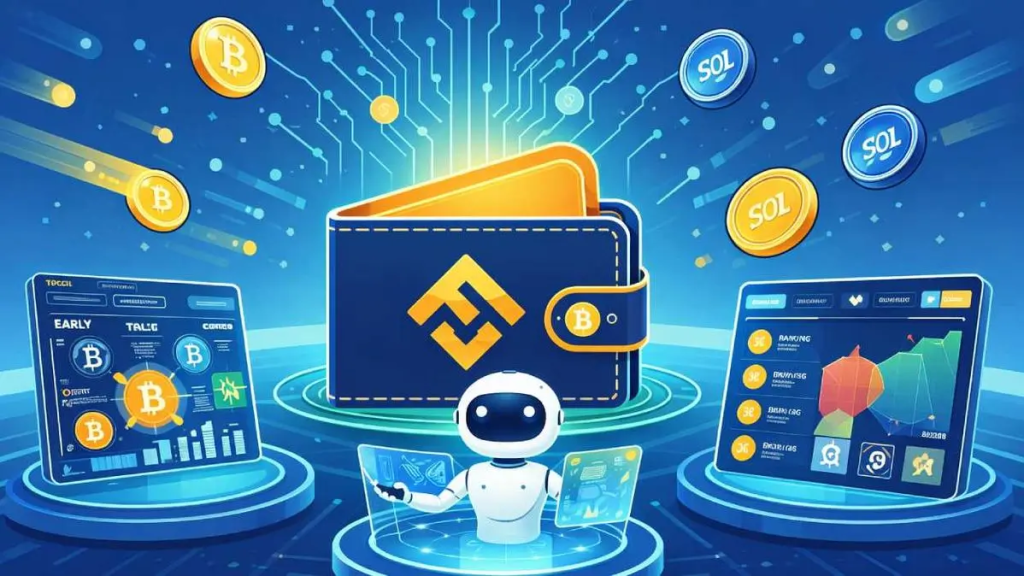
Digital wallets are important because they simplify financial transactions and support modern lifestyles. In a fast-moving digital world, people want payment methods that are quick, safe, and accessible from anywhere.
One major reason digital wallets matter is convenience. Instead of carrying cash or multiple cards, users can pay directly from their smartphones. This saves time during online purchases and in-store transactions.
Another important factor is security. Digital wallets use encryption and authentication systems that help reduce fraud risks. Many wallets hide actual card numbers during transactions, which adds an extra layer of protection.
Digital wallets also support financial accessibility. People can send or receive money instantly without visiting a bank branch. This is especially useful for freelancers, online businesses, and remote workers.
In addition, digital wallets encourage cashless payments, which are becoming more common globally. Businesses also benefit because digital payments often improve transaction speed and customer satisfaction.
The importance of digital wallets increased even more during recent years as online shopping and mobile banking became part of everyday life. Consumers now expect smooth, secure, and flexible payment options wherever they shop.
Detailed Step-by-Step Guide
Step 1: Choose the Right Digital Wallet
The first step is selecting a digital wallet that matches your needs. Different wallets offer different features, security options, and payment methods.
When choosing a wallet, consider:
- Security features
- Supported banks and cards
- Transaction fees
- Ease of use
- Customer support
- International payment options
- Mobile compatibility
Some wallets focus on online shopping, while others are designed for peer-to-peer transfers or cryptocurrency storage. Beginners should choose a trusted wallet with strong reviews and a simple interface.
Step 2: Download the Application
After selecting a wallet, download the official app from a trusted source such as the Google Play Store or Apple App Store.
Avoid downloading apps from unknown websites because fake applications may steal personal information. Always verify the developer name and reviews before installation.
Once downloaded, install the app and open it to begin registration.
Step 3: Create an Account
Most digital wallets require users to create an account using:
- Email address
- Mobile number
- Password
- Identity verification
Choose a strong password that combines letters, numbers, and special characters. Avoid using simple passwords such as birthdays or names.
Some wallets may ask for identity documents to comply with financial regulations. This process helps improve account security and prevent fraud.
Step 4: Link Payment Methods
After registration, connect your preferred payment method.
You can usually link:
- Bank accounts
- Debit cards
- Credit cards
- Prepaid cards
Enter payment details carefully to avoid errors. Most wallets send a verification code or small test transaction to confirm ownership.
Linking multiple payment methods can provide flexibility during transactions.
Step 5: Enable Security Features
Security should always be a priority when using digital wallets.
Activate features such as:
- Two-factor authentication
- Fingerprint login
- Face recognition
- Transaction alerts
- Recovery options
These settings reduce the risk of unauthorized access and help protect your financial data.
Step 6: Add Funds if Necessary
Some digital wallets require users to add funds before making payments. Others directly charge linked bank accounts or cards.
If your wallet supports balance storage, transfer money carefully and confirm transaction limits before use.
Step 7: Learn How to Make Payments
Digital wallets usually support several payment methods.
Common options include:
- QR code payments
- Contactless tap payments
- Online checkout payments
- Bank transfers
- Peer-to-peer transfers
Practice making small transactions first. This helps beginners become comfortable with the payment process.
Step 8: Track Transactions Regularly
Most digital wallets include transaction history features.
Review your activity regularly to:
- Monitor spending
- Detect suspicious activity
- Manage budgets
- Confirm successful payments
Keeping track of transactions helps users maintain better financial control.
Step 9: Update the Application Frequently
Software updates often contain security improvements and bug fixes.
Enable automatic updates whenever possible. Using outdated wallet versions may expose your account to security vulnerabilities.
Step 10: Understand Fees and Limits
Different digital wallets have different rules regarding:
- Transfer fees
- Withdrawal charges
- International payment costs
- Daily transaction limits
Read the wallet terms carefully to avoid unexpected charges.
Benefits of Digital Wallet
Digital wallets offer many advantages for modern users.
- Fast and convenient transactions
- Reduced need to carry cash
- Better payment security
- Easy online shopping experience
- Instant money transfers
- Access to transaction records
- Support for contactless payments
- Time-saving checkout process
- Improved budgeting and expense tracking
- Rewards, cashback, and loyalty program integration
- Ability to store multiple payment methods in one place
- Greater accessibility for remote payments
Another major benefit is flexibility. Users can make payments from almost anywhere using internet-connected devices.
Businesses also gain advantages because digital wallets improve customer convenience and reduce cash handling.
Disadvantages / Risks
Although digital wallets provide many benefits, they also involve certain risks and disadvantages.
- Dependence on internet connectivity
- Possible technical issues or app crashes
- Risk of hacking attempts
- Potential phishing scams
- Limited acceptance in some locations
- Battery dependence for mobile devices
- Privacy concerns related to transaction tracking
- Fees for some services or international transfers
- Difficulty recovering funds in certain fraud situations
Users who ignore security practices may expose themselves to financial risks.
In addition, beginners sometimes become overconfident and fail to monitor account activity carefully. This can lead to delayed fraud detection.
Understanding these disadvantages helps users take preventive measures and use digital wallets more safely.
Common Mistakes to Avoid
Many beginners make avoidable mistakes when using digital wallets. Learning about these errors can improve security and financial management.
Using Weak Passwords
Simple passwords make accounts easier to hack. Always create strong and unique passwords.
Ignoring Security Updates
Skipping app updates may leave your wallet vulnerable to cyber threats.
Connecting to Public Wi-Fi
Public internet networks can expose sensitive information. Avoid accessing financial accounts through unsecured Wi-Fi connections.
Not Enabling Two-Factor Authentication
Two-factor authentication adds extra protection. Many users ignore this feature even though it significantly improves security.
Falling for Phishing Scams
Fraudsters often send fake emails or messages pretending to be wallet providers. Never click suspicious links or share verification codes.
Forgetting to Log Out on Shared Devices
Using digital wallets on public or shared devices can be risky if users fail to log out properly.
Not Reviewing Transaction History
Regular transaction monitoring helps identify unauthorized payments quickly.
Sending Money to the Wrong Person
Always verify payment details before confirming transfers because many digital wallet transactions cannot be reversed easily.
FAQs
What is the main purpose of a digital wallet?
The main purpose of a digital wallet is to store payment information securely and allow users to make quick electronic transactions. It simplifies online shopping, bill payments, and money transfers.
Are digital wallets safe to use?
Yes, most trusted digital wallets are designed with strong security systems such as encryption, authentication tools, and fraud monitoring. However, users must also follow safe practices to protect their accounts.
Can I use a digital wallet without a bank account?
Some digital wallets allow users to add funds directly without linking a traditional bank account. However, many features may remain limited unless a bank account or payment card is connected.
Do digital wallets charge fees?
Some digital wallets are free for basic transactions, while others charge fees for international transfers, withdrawals, or business services. Users should review fee structures carefully before using a wallet.
What happens if I lose my phone?
Most digital wallets provide recovery options through passwords, email verification, or backup authentication methods. Users should immediately lock their devices and change account credentials if a phone is lost.
Can digital wallets store cryptocurrency?
Certain digital wallets support cryptocurrency storage and transactions. These wallets may include additional features such as private keys and blockchain support.
Are digital wallets accepted everywhere?
Digital wallet acceptance continues to grow globally, but some small businesses or rural areas may still prefer cash payments.
How can beginners choose the best digital wallet?
Beginners should focus on security, ease of use, customer reviews, supported payment methods, and transaction fees when selecting a digital wallet.
Expert Tips & Bonus Points
Using a digital wallet effectively requires more than basic setup. Following expert strategies can improve security, convenience, and overall financial management.
Start by using only trusted wallet providers with strong reputations. Well-known platforms usually invest more in security systems and customer support.
Always keep backup recovery information in a secure place. Losing access to your email or authentication methods can make account recovery difficult.
Another smart tip is separating spending categories. Some users maintain different wallets for shopping, subscriptions, savings, or business expenses. This approach helps improve budgeting and financial organization.
Beginners should also activate instant transaction notifications. Real-time alerts help users detect suspicious activity immediately.
Avoid storing extremely large balances in digital wallets unless necessary. For long-term savings, traditional bank accounts or secure investment platforms may provide stronger protection.
Conclusion
Digital wallets have become an essential part of modern financial life. They provide a practical and secure way to make payments, transfer money, manage expenses, and shop online conveniently. As technology continues to grow, digital wallets are likely to become even more important for consumers and businesses worldwide.
For beginners, learning how digital wallets work is the first step toward safer and more efficient financial management. Understanding features such as payment methods, security settings, transaction tracking, and account recovery can help users avoid common mistakes and protect their funds.
Although digital wallets offer impressive convenience, users should always remain cautious. Strong passwords, regular account monitoring, secure internet usage, and awareness of phishing scams are essential for maintaining safety.
