

Introduction
Digital banking has transformed the way people manage their money in today’s fast-paced world. Instead of visiting physical branches, users can now perform almost every financial task through mobile apps or online platforms. From checking account balances to transferring funds and paying bills, everything is just a few clicks away. This shift has made financial services more accessible, faster, and more efficient for individuals and businesses alike.
In recent years, the adoption of digital banking has increased significantly due to the rise of smartphones and internet connectivity. People now prefer convenience over traditional banking methods, especially when it comes to everyday transactions. Whether you are a student, a business owner, or a salaried professional, understanding how digital banking works can help you manage your finances more effectively.
This digital banking guide is designed for beginners as well as intermediate users who want to explore the full potential of online financial services. You will learn what digital banking is, why it is important, how to use it step-by-step, its benefits, risks, and expert tips to stay safe while using it. By the end of this guide, you will have a clear understanding of how to use digital banking confidently in your daily life.
What is Digital Banking?
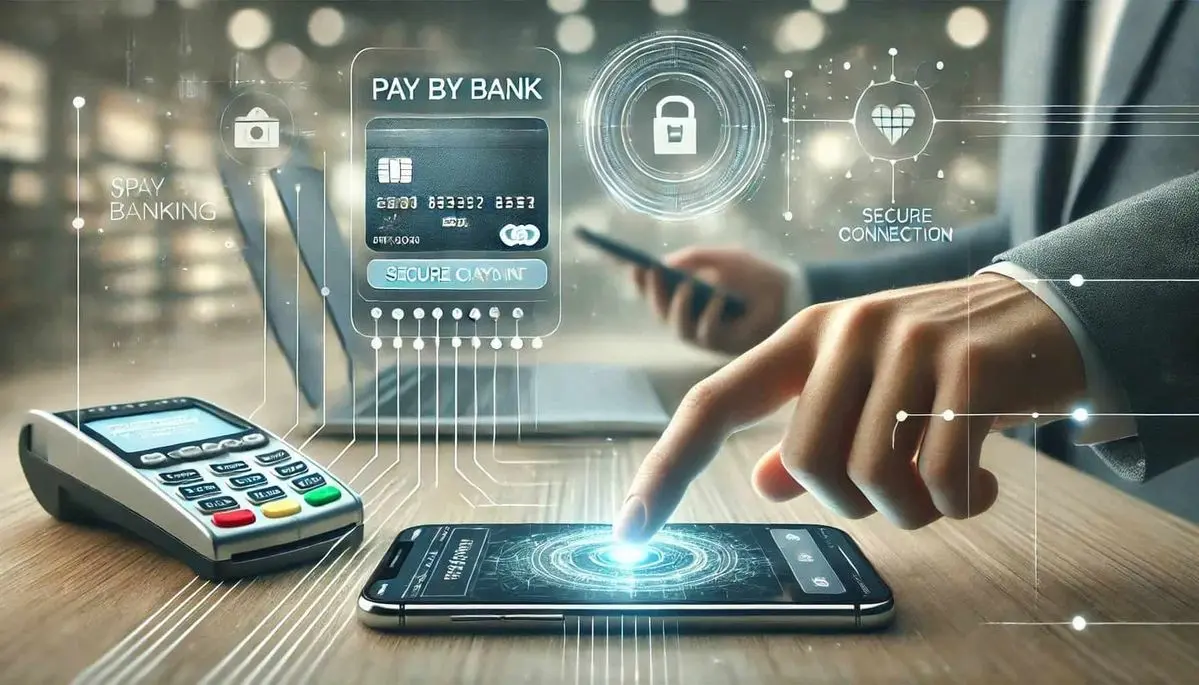
Digital banking refers to the use of online platforms, mobile applications, and electronic systems that allow customers to perform banking activities without visiting a physical branch. It includes services such as money transfers, bill payments, loan applications, account management, and investment tracking.
Unlike traditional banking, digital banking operates 24/7, giving users full control over their financial activities at any time. It is powered by secure technologies like encryption, multi-factor authentication, and real-time processing systems to ensure safe transactions.
Digital banking is not limited to one device. It can be accessed through smartphones, tablets, laptops, and desktop computers. Banks and financial institutions provide dedicated apps and websites that allow users to perform almost every financial operation digitally.
In simple terms, digital banking is a modern banking system that removes the need for physical interaction and brings financial services directly to your device.
Why is Digital Banking Important?
Digital banking plays a crucial role in modern financial systems because it offers speed, convenience, and accessibility. One of the biggest advantages is that users no longer need to wait in long queues or visit bank branches for basic tasks.
It is especially important in rural and remote areas where physical banking services may be limited. With digital banking, people can access financial services from anywhere with an internet connection.
Businesses also benefit greatly from digital banking as it allows them to manage payrolls, vendor payments, and transactions efficiently. This improves productivity and reduces operational delays.
Moreover, digital banking supports a cashless economy, which helps reduce risks related to carrying physical cash. It also improves transparency in financial transactions, making it easier to track expenses and manage budgets.
Detailed Step-by-Step Guide
Step 1: Choose a Reliable Bank or Platform
The first step in using digital banking is selecting a trusted bank or financial institution. Ensure the bank offers secure online services and has a user-friendly mobile app or website.
Step 2: Register for Digital Banking
Once you choose a bank, you need to register for digital banking services. This usually involves verifying your identity, linking your account, and setting up login credentials such as username and password.
Step 3: Download the Mobile App or Access Website
After registration, download the official mobile banking app or visit the bank’s official website. Make sure you are using the correct platform to avoid phishing scams.
Step 4: Set Up Security Features
Security is a key part of digital banking. Enable features such as two-factor authentication, fingerprint login, or OTP verification to protect your account.
Step 5: Explore Banking Features
Once your account is set up, you can explore various features like balance checking, fund transfers, bill payments, and account statements.
Step 6: Perform Transactions
Start by performing small transactions such as checking your balance or transferring a small amount. As you become comfortable, you can use advanced features like investments or loan applications.
Step 7: Monitor Your Account Regularly
Always monitor your account activity to ensure there are no unauthorized transactions. This helps in maintaining financial security.
Benefits of Digital Banking
- 24/7 access to financial services without visiting a branch
- Faster transactions compared to traditional banking methods
- Easy bill payments and fund transfers
- Improved financial tracking and budgeting
- Reduced need for physical cash handling
- Secure transactions with advanced encryption technology
- Time-saving and highly convenient for users
- Supports online shopping and digital payments
Disadvantages / Risks
- Risk of cyber fraud and phishing attacks
- Requires internet access for all transactions
- Technical issues or app downtime may affect access
- Learning curve for beginners who are not tech-savvy
- Possibility of unauthorized access if security is weak
- Over-dependence on digital systems
Common Mistakes to Avoid
Many users make mistakes while using digital banking, which can lead to security or financial issues. One common mistake is sharing OTPs or passwords with others. Banks never ask for such sensitive information.
Another mistake is using public Wi-Fi for banking transactions, which can expose your data to hackers. Always use secure and private internet connections.
People also often ignore software updates for banking apps. These updates are important because they include security improvements.
FAQs
1. What is digital banking used for?
Digital banking is used for managing financial activities online such as checking balances, transferring money, paying bills, and applying for financial products without visiting a bank.
2. Is digital banking safe?
Yes, digital banking is safe if you follow security practices like using strong passwords, enabling two-factor authentication, and avoiding suspicious links.
3. Can I use digital banking without internet?
No, digital banking requires an internet connection to access services and perform transactions.
4. What devices support digital banking?
You can use smartphones, tablets, laptops, and desktop computers to access digital banking services.
5. What should I do if I forget my banking password?
You can reset your password using the bank’s official app or website by following the “forgot password” option and verifying your identity.
6. Can digital banking replace traditional banking completely?
While digital banking covers most services, some users still prefer physical branches for complex financial tasks. However, it is rapidly replacing traditional banking for everyday use.
Expert Tips & Bonus Points
Experts recommend always keeping your banking apps updated to the latest version for maximum security. Avoid clicking on unknown links received via email or SMS, as they may be phishing attempts.
It is also advisable to set transaction alerts so you receive instant notifications for every activity in your account. This helps you detect fraud quickly.
Another useful tip is to maintain a separate email address for banking purposes to reduce spam and security risks.
For better financial management, regularly review your spending habits through digital banking reports and statements.
Conclusion
Digital banking has completely changed the way people interact with financial systems. It offers convenience, speed, and control over personal and business finances. Whether you are paying bills, transferring money, or managing savings, everything can be done from your device within seconds.
As technology continues to evolve, digital banking will become even more advanced, offering smarter features and better security. However, users must also remain cautious and follow safe practices to protect their financial data.
For beginners, understanding the basics of digital banking is the first step toward financial independence in the digital era. With proper knowledge and careful usage, anyone can take full advantage of this modern banking system.
