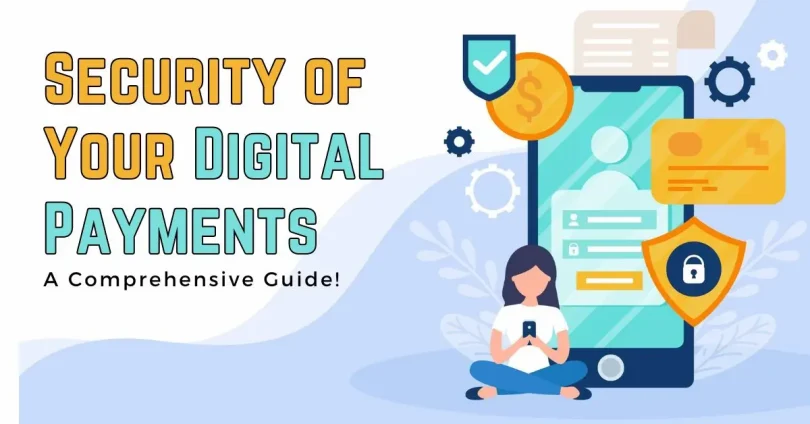

Digital payments have made everyday transactions faster and more convenient, from online shopping and bill payments to transferring money instantly. However, with the rise of digital transactions, security has become a major concern. Protecting personal and financial information is essential to avoid fraud, scams, and unauthorized access. In this article, we will explore the most secure digital payment methods, best practices to keep your money safe, and how technology is making online transactions more secure than ever.
Why Security Matters in Digital Payments
Digital payments offer convenience, but they also come with risks if security is not taken seriously. Online fraud, hacking, and identity theft are increasing as more people use digital platforms to send and receive money. Protecting your personal and financial data is essential to prevent unauthorized access and financial loss. Strong security measures build trust between users and businesses, ensuring that transactions are safe and reliable. By understanding the importance of security, users can enjoy the benefits of digital payments without worrying about potential threats.
Popular Secure Digital Payment Methods
There are several digital payment methods designed with security in mind. Using these secure options can help protect your money and personal information while making transactions easy and fast.
1. Credit and Debit Cards with Security Features
Modern credit and debit cards include multiple security layers such as OTP (One-Time Password), 3D Secure, and CVV codes. Banks also monitor transactions for unusual activity and alert users in case of potential fraud, making card payments safer for online and in-store purchases.
2. Mobile Wallets
Mobile wallets like Apple Pay, Google Pay, Samsung Pay, PayPal, Easypaisa, and JazzCash use encryption and tokenization to protect your financial information. These wallets do not share your actual card number with merchants, reducing the risk of theft.
3. Net Banking
Online banking systems use strong authentication methods such as secure login credentials, OTP verification, and transaction limits. Banks often provide real-time alerts for all account activities, allowing users to detect suspicious transactions quickly.
4. UPI and Instant Payment Systems
UPI (Unified Payments Interface) and similar instant payment systems require a secure PIN for every transaction. They offer real-time transaction monitoring and fraud detection, ensuring that money transfers are safe and immediate.
5. Cryptocurrencies and Blockchain Payments
Cryptocurrencies use blockchain technology to ensure secure, decentralized, and transparent transactions. Each transaction is recorded on a public ledger, which is immutable and extremely difficult to tamper with, making digital currency payments highly secure.
6. Biometric Authentication
Many digital payment apps now use biometric authentication, such as fingerprints, facial recognition, or voice ID. This adds an extra layer of security by ensuring only the authorized user can approve payments.
7. Two-Factor and Multi-Factor Authentication
Two-factor (2FA) or multi-factor authentication combines something you know (password) with something you have (OTP or biometric) to prevent unauthorized access. This method significantly reduces the risk of account hacking or fraud.
you may also like to read these posts;
Personal Money Management Guide: Easy Tips for Beginners
Saving Money Effectively Tips: Simple Ways to Save Fast
Daily Money Management Routines to Save and Control Money
Financial Control and Planning Guide for Beginners
Fintech Solutions for Businesses: Streamline Your Finances
Best Practices for Secure Digital Payments
Using secure digital payment methods is essential, but combining them with smart practices ensures your money and personal information remain safe. Here are some effective strategies to follow:
1. Use Strong and Unique Passwords
Create strong, complex passwords for all payment apps, bank accounts, and online shopping platforms. Avoid using common phrases, birthdays, or repetitive numbers. Consider using a password manager to generate and store secure passwords.
2. Enable Two-Factor or Multi-Factor Authentication
Adding a second layer of security, such as OTPs, fingerprint recognition, or facial authentication, ensures that even if your password is compromised, unauthorized users cannot access your account.
3. Avoid Public Wi-Fi for Financial Transactions
Public Wi-Fi networks are often insecure and vulnerable to hackers. Always make payments or log into banking apps using a private, secure network or mobile data.
4. Regularly Monitor Statements and Alerts
Check your account statements and payment notifications frequently. Quick detection of unusual or unauthorized activity allows you to report it immediately and prevent further loss.
5. Keep Apps and Devices Updated
Software updates often include important security patches. Ensure that your smartphone, tablet, computer, and payment apps are always running the latest versions to protect against vulnerabilities.
6. Use Trusted and Reputable Platforms
Only use well-known payment apps, wallets, or banking services that have strong security protocols. Avoid unknown platforms that may not follow industry-standard security practices.
7. Be Cautious of Phishing Attempts
Do not click on suspicious links or share OTPs, passwords, or personal information via email, SMS, or phone calls. Scammers often impersonate banks or payment providers to steal data.
8. Limit Stored Payment Information
Only store essential card or bank information on trusted apps. Remove payment details from platforms you no longer use to reduce exposure in case of a breach.
9. Set Transaction Limits
If your app or bank allows it, set daily or per-transaction limits. This minimizes the potential loss in case of unauthorized transactions.
10. Use Biometric Authentication When Available
Where supported, use fingerprint scans, facial recognition, or voice verification. Biometrics provide an extra layer of security and make unauthorized access more difficult.
11. Log Out After Transactions
Always log out from banking apps or payment platforms after completing a transaction, especially on shared or public devices. This prevents others from accessing your accounts.
12. Educate Yourself About Security Threats
Stay informed about common scams, malware, and other digital threats. Awareness is one of the most effective ways to protect your financial information.
Benefits of Using Secure Digital Payment Methods
Using secure digital payment methods offers many advantages for both individuals and businesses. These benefits go beyond convenience, providing safety, efficiency, and peace of mind.
1. Enhanced Security
Secure digital payment methods protect your financial and personal information using encryption, tokenization, and biometric authentication. This reduces the risk of fraud, hacking, and unauthorized access.
2. Faster and Convenient Transactions
Digital payments allow instant money transfers, online shopping, bill payments, and more. Secure systems ensure you can complete transactions quickly without worrying about safety.
3. Better Financial Tracking
Every secure digital transaction generates a record. This helps users track spending, monitor accounts, and detect unusual activity. Businesses can also maintain accurate financial records easily.
4. Reduced Risk of Cash Handling
Secure digital payments minimize the need to carry cash, reducing the risk of theft, loss, or damage. This makes everyday transactions safer for both users and merchants.
5. Peace of Mind
Knowing that payments are protected by strong security measures gives users confidence when shopping online or sending money. Secure systems allow worry-free financial management.
6. Support for Global Transactions
Secure digital payment methods make cross-border payments faster and safer. Whether sending money internationally or buying from overseas merchants, encryption and authentication protect funds.
7. Encourages Digital Adoption
Strong security builds trust in digital platforms, encouraging more people and businesses to adopt cashless transactions. This drives convenience, efficiency, and innovation in the financial ecosystem.
8. Reduces Fraud and Disputes
Secure systems with monitoring and authentication help detect suspicious transactions quickly. This reduces fraudulent activity and makes it easier to resolve disputes efficiently.
Challenges in Secure Digital Payments
While secure digital payment methods provide many benefits, they are not completely free from challenges. Users and businesses must be aware of potential risks to stay safe and protect their money. secure digital payment methods
1. Cybersecurity Threats
Digital payments rely on the internet, which makes them vulnerable to hacking, phishing attacks, malware, and other cyber threats. Even secure platforms can be targeted by criminals attempting to steal sensitive information. secure digital payment methods
2. Privacy Concerns
Digital transactions involve storing personal and financial data. If this data is not handled properly by apps or banks, it can be exposed, misused, or shared without consent, raising privacy issues. secure digital payment methods
3. Device Vulnerabilities
Security depends on the devices used for transactions. Lost, stolen, or compromised smartphones, tablets, or computers can put your accounts and money at risk.
4. Human Error
Even with secure systems, users can make mistakes like sharing passwords, OTPs, or personal information with untrusted sources. Human error remains one of the biggest challenges in digital payment security. secure digital payment methods
5. Phishing and Scams
Scammers often impersonate banks or payment platforms to trick users into revealing sensitive information. Fake emails, messages, or apps can lead to financial loss if users are not cautious. secure digital payment methods
6. Technical Glitches and Downtime
Payment apps, banks, or networks may occasionally face technical problems. System downtime, app crashes, or server issues can delay payments or temporarily block access to funds. secure digital payment methods
7. Limited Digital Literacy
Some users, especially beginners or older adults, may not fully understand how to use secure digital payment methods. Lack of knowledge can lead to mistakes or insecure practices. secure digital payment methods
8. Regulatory and Compliance Issues
Digital payments are subject to regulations that vary by country. Inconsistent rules, slow updates, or lack of enforcement can affect security and user confidence.
Are digital payments really secure?
Yes, digital payments can be very secure when using trusted platforms with encryption, tokenization, and multi-factor authentication. Following best practices further reduces risk.
What are the most secure digital payment methods?
Credit and debit cards with OTPs, mobile wallets, net banking, UPI transfers, and cryptocurrency/blockchain payments are among the most secure options.
How can I protect my digital payment accounts?
Use strong passwords, enable two-factor authentication, avoid public Wi-Fi for transactions, monitor statements, and only use trusted apps or platforms.
Are mobile wallets safer than cards?
Mobile wallets are very secure because they use encryption, tokenization, and do not share your actual card information with merchants. Both wallets and secure cards offer strong protection.
Conclusion
Secure digital payment methods are essential in today’s fast-paced, online-driven world. From credit and debit cards with advanced security features to mobile wallets, UPI, and blockchain-based payments, there are many ways to conduct safe and convenient transactions. By following best practices such as using strong passwords, enabling multi-factor authentication, and staying vigilant against scams, users can enjoy the benefits of digital payments with minimal risk. While challenges like cyber threats, device vulnerabilities, and phishing attempts exist, technology continues to evolve, offering stronger protection and more secure payment solutions. Adopting these secure methods not only safeguards your money but also promotes confidence and convenience in everyday financial transactions.