
Mobile payment solutions have transformed the way people send and receive money, making transactions faster, safer, and more convenient. From paying bills and shopping online to sending money to friends or family, mobile payments allow users to complete transactions anytime and anywhere using smartphones or other devices. With technology advancing rapidly, businesses and individuals are adopting these solutions to save time, reduce cash handling, and improve security. In this guide, you will learn about different types of mobile payment solutions guide, their benefits, best practices, and tips for safe usage.
Why Mobile Payments Are Important
Mobile payments have become an essential part of modern life because they offer speed, convenience, and security. Users can complete transactions instantly without needing cash, making everyday payments easier. Mobile payments also reduce the risk of carrying cash, help track spending, and provide digital records for budgeting. For businesses, mobile payment solutions improve customer experience, increase efficiency, and allow easy online and in-store transactions. With growing smartphone use and internet access, mobile payments are becoming a reliable and practical option for both individuals and companies worldwide.
Types of mobile payment solutions guide
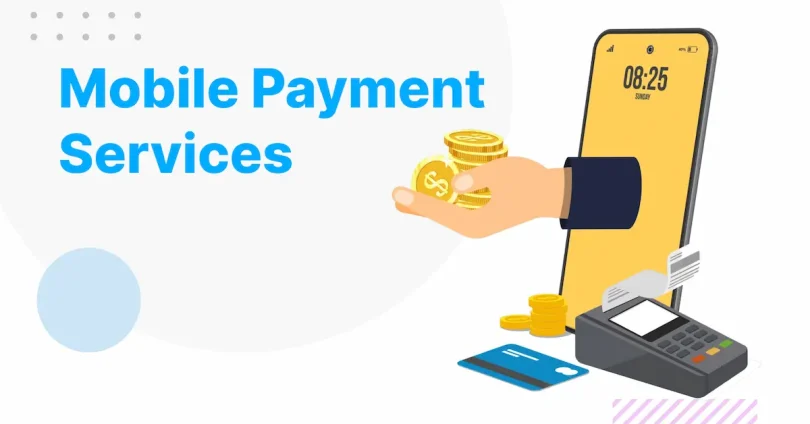
Mobile payment solutions come in several forms, each designed to make transactions easier, faster, and more secure. Here are the most popular types:
1. Mobile Wallets
Mobile wallets like Google Pay, Apple Pay, Samsung Pay, PayPal, Easypaisa, and JazzCash allow users to store payment cards, tickets, bills, and loyalty points in one place. They enable quick in-store and online payments without carrying cash or cards.
2. QR Code Payments
QR code payments are simple and effective. Users scan a merchant’s QR code using a mobile app to make a payment. This method is popular among small businesses, restaurants, and delivery services because it requires minimal hardware.
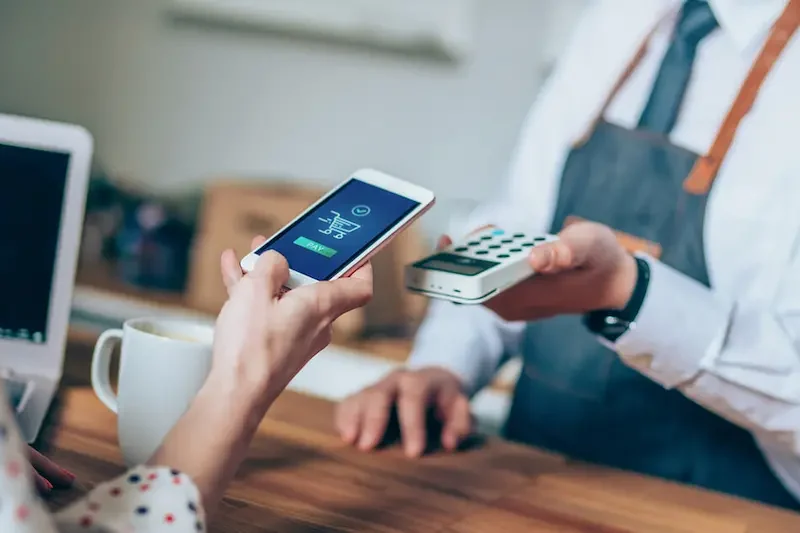
3. Contactless NFC Payments
Near Field Communication (NFC) technology allows tap-to-pay transactions using smartphones or contactless cards. It is fast, convenient, and hygienic, making it ideal for retail stores, public transport, and other everyday payments.
4. Mobile Banking Apps
Banks provide mobile apps for secure transfers, bill payments, budgeting, and account monitoring. Features like transaction alerts, OTPs, and multi-factor authentication enhance security for users.
5. Peer-to-Peer (P2P) Payment Apps
P2P apps like Venmo, Cash App, Zelle, or local equivalents allow users to send money directly to friends or family. Transactions are quick, simple, and often instant, making them convenient for personal payments.
6. Buy Now, Pay Later (BNPL) Options
BNPL services let users split purchases into installments instead of paying upfront. This is useful for online shopping, allowing flexibility while maintaining security through verified platforms.
7. Cryptocurrency Mobile Payments
Cryptocurrency wallets allow users to make payments using digital currencies like Bitcoin or Ethereum. Transactions are secure and transparent thanks to blockchain technology, though adoption and regulations vary by region.
Benefits of Mobile Payment Solutions
Mobile payment solutions have revolutionized the way we handle money, offering speed, convenience, and security. These solutions are beneficial for individuals, businesses, and even governments, making financial transactions more efficient and reliable.
1. Instant and Faster Transactions
Mobile payments allow instant money transfers and payments for online and in-store purchases. Users no longer need to wait in long lines or handle physical cash, saving time in everyday activities.
2. Convenient and User-Friendly
All financial activities—from paying bills and topping up mobile accounts to shopping online—can be done from a single device. Mobile payments simplify tasks, reduce paperwork, and provide an organized way to manage finances.
3. Enhanced Security Features
Most mobile payment platforms include security measures such as encryption, tokenization, OTP verification, biometric authentication, and fraud monitoring. These measures protect sensitive data and reduce the risk of unauthorized access or financial loss.
4. Automatic Record-Keeping and Tracking
Digital transactions automatically generate records, which help users track spending, manage budgets, and monitor account activity. Businesses benefit from accurate reports, easy reconciliation, and financial transparency.
5. Reduced Cash Handling
Mobile payments minimize reliance on cash, reducing the risk of theft, loss, or counting errors. This also benefits businesses by lowering operational costs associated with handling and storing cash.
6. Global Accessibility and Cross-Border Payments
Many mobile payment solutions support international transactions, allowing users to pay or receive money globally. This is useful for freelancers, online shoppers, and international businesses. mobile payment solutions guide
7. Improved Customer Experience for Businesses
Offering mobile payment options makes transactions faster and more flexible, enhancing customer satisfaction and loyalty. Businesses can attract more customers, increase repeat sales, and build trust through secure payment systems.
8. Financial Inclusion
Mobile payment platforms make banking and financial services accessible to people without traditional bank accounts. This encourages financial inclusion, especially in rural or underserved areas. mobile payment solutions guide
9. Budgeting and Financial Management Tools
Many mobile payment apps offer features like spending analysis, alerts, and bill reminders. These tools help users manage money more effectively and avoid overspending. mobile payment solutions guide
10. Supports Contactless and Safe Payments
Mobile payments reduce physical contact, which is especially important in crowded areas or during health crises. Contactless payments protect both users and businesses while making transactions faster. mobile payment solutions guide
11. Encourages Digital Economy Growth
As more people adopt mobile payments, businesses, governments, and service providers can digitize operations. This leads to a more efficient, cashless economy with better financial transparency and faster economic transactions. mobile payment solutions guide
you may also like to read these posts;
Personal Money Management Guide: Easy Tips for Beginners
Saving Money Effectively Tips: Simple Ways to Save Fast
Daily Money Management Routines to Save and Control Money
Financial Control and Planning Guide for Beginners
Fintech Solutions for Businesses: Streamline Your Finances
Best Practices for Using Mobile Payments
Using mobile payment solutions is convenient, but following best practices ensures your money and personal information remain safe. Here are effective strategies to maximize security and efficiency:
1. Use Strong and Unique Passwords
Always create strong, complex passwords for mobile payment apps, banking accounts, and online wallets. Avoid using easily guessable information like birthdays or repeated numbers. Consider a password manager to generate and store secure passwords. mobile payment solutions guide
2. Enable Two-Factor or Multi-Factor Authentication
Adding an extra layer of security, such as OTPs, fingerprint scans, or facial recognition, ensures only authorized users can access your accounts and approve payments. mobile payment solutions guide
3. Avoid Using Public Wi-Fi for Transactions
Public Wi-Fi networks are often unsecured and vulnerable to hackers. Make transactions using private Wi-Fi or mobile data to reduce the risk of data interception. mobile payment solutions guide
4. Keep Apps and Devices Updated
Regularly update mobile payment apps, operating systems, and security software. Updates include security patches that protect against new vulnerabilities and malware. mobile payment solutions guide
5. Monitor Transactions and Enable Alerts
Set up notifications for all transactions. Regularly review statements and payment histories to quickly detect any suspicious activity and report it promptly.
6. Use Trusted and Verified Platforms
Only use well-known and reputable mobile payment apps or banking platforms. Avoid unverified apps or websites, as they may lack proper security measures.
7. Limit Stored Payment Information
Store only essential cards or bank information in apps and remove details from services you no longer use. This reduces the risk if a platform is compromised.
8. Be Cautious of Phishing and Scams
Never share OTPs, passwords, or personal information through email, SMS, or phone calls. Verify messages from banks or apps before responding to avoid falling victim to scams. mobile payment solutions guide
9. Set Transaction Limits Where Possible
Some apps allow daily or per-transaction limits. Setting limits helps reduce potential financial loss in case of unauthorized transactions. mobile payment solutions guide
10. Log Out After Use
Always log out from mobile payment apps after completing transactions, especially on shared or public devices. This prevents unauthorized access if someone else uses the device. mobile payment solutions guide
11. Educate Yourself About Security Threats
Stay updated on common scams, malware, and digital threats. Awareness and vigilance are key to maintaining security while using mobile payment solutions.
12. Enable Biometric Authentication
Where supported, use fingerprint scans, facial recognition, or voice verification. Biometric authentication adds an additional layer of protection that is difficult for hackers to bypass. mobile payment solutions guide
Challenges and Risks of Mobile Payment Solutions
While mobile payment solutions offer convenience and speed, they also come with challenges and risks that users and businesses should be aware of. Understanding these risks helps in using mobile payments safely. mobile payment solutions guide
1. Cybersecurity Threats
Mobile payments rely on internet connectivity, making them vulnerable to hacking, phishing attacks, malware, and other cyber threats. Even secure platforms can be targeted, so users must stay vigilant. mobile payment solutions guide
2. Privacy and Data Protection Concerns
Digital transactions involve personal and financial information. If apps or platforms do not handle data properly, it can be exposed, misused, or sold without consent, raising privacy concerns. mobile payment solutions guide
3. Device Vulnerabilities
Lost, stolen, or compromised smartphones or tablets can put mobile payment accounts at risk. Securing devices with passwords, PINs, and biometric authentication is essential. mobile payment solutions guide
4. Technical Glitches and System Downtime
Apps or banking platforms may experience technical issues such as crashes, server downtime, or slow processing, which can delay transactions or temporarily block access to funds. mobile payment solutions guide
5. Human Error
Users may unintentionally share passwords, OTPs, or sensitive information, increasing the risk of unauthorized access. Awareness and careful practices are necessary to avoid mistakes. mobile payment solutions guide
6. Limited Digital Literacy
Some users may not be familiar with mobile payment apps or online banking. Lack of knowledge can lead to mistakes, insecure usage, or avoidance of digital payments.
7. Scams and Fraud
Fraudsters often create fake apps, phishing messages, or fake payment requests to trick users. Users must verify apps and requests carefully to avoid financial loss.
8. Regulatory and Compliance Issues
Mobile payment solutions must comply with local and international regulations. Differences in rules, slow updates, or unclear guidelines can affect security and user trust. mobile payment solutions guide
9. Over-Reliance on Digital Payments
Dependence on mobile payments can be risky during network outages, device issues, or cyberattacks. Having backup payment options is advisable.
10. Cross-Border Limitations
Some mobile payment solutions may have restrictions or higher fees for international transactions, which can be inconvenient for users who travel or make cross-border payments. mobile payment solutions guide
Future of Mobile Payment Solutions
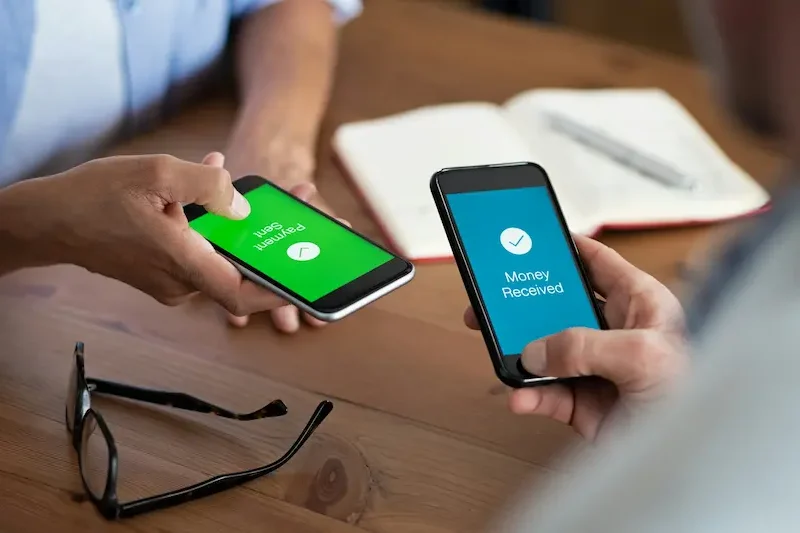
The future of mobile payment solutions is focused on faster, safer, and more integrated transactions. As technology continues to evolve, mobile payments will become even more convenient for users and businesses alike.
1. AI-Powered Fraud Detection
Artificial intelligence and machine learning will improve fraud detection by identifying suspicious activity in real time, making transactions safer for users.
2. Integration with Wearable Devices
Smartwatches, fitness trackers, and other wearable devices will increasingly support mobile payments, allowing users to pay instantly without even taking out their smartphones.
3. Biometric and Contactless Payments
Fingerprint scans, facial recognition, and voice authentication will become more widespread, providing stronger security. Contactless payments will also continue to grow for fast, hygienic, and convenient transactions.
4. Super Apps and All-in-One Platforms
Mobile payment features will increasingly be integrated into super apps that combine banking, shopping, food delivery, and other services, creating a seamless digital ecosystem.
5. Wider Global Adoption
As smartphone penetration increases worldwide, more people will have access to mobile payment solutions. This will expand financial inclusion, especially in developing regions.
6. Blockchain and Cryptocurrency Integration
Blockchain technology will enhance the security, transparency, and speed of transactions. Cryptocurrencies may become more widely accepted for everyday mobile payments, offering alternatives to traditional banking.
7. Smarter Personalization and Automation
Mobile payment apps will offer personalized recommendations, automated bill payments, and insights into spending habits, making financial management easier for users.
8. Reduced Cash Dependency
The world is moving toward a cashless economy, and mobile payments will play a key role in reducing reliance on physical cash, improving efficiency and convenience for both users and businesses.
What are mobile payment solutions?
Mobile payment solutions allow users to make payments, send money, and pay bills using smartphones or other digital devices without relying on cash.
Are mobile payments safe?
Yes, mobile payments are generally safe when using trusted apps with encryption, tokenization, and multi-factor authentication. Following best practices further enhances security.
Which mobile payment app is the most secure?
Apps like Google Pay, Apple Pay, Samsung Pay, PayPal, and verified local platforms such as Easypaisa or JazzCash are considered secure due to strong security measures.
How do QR code payments work?
Users scan a merchant’s QR code using a mobile app, enter the payment amount if needed, and confirm the transaction. This method is fast, secure, and requires minimal equipment.
Conclusion
Mobile payment solutions have transformed the way people manage money, offering faster, safer, and more convenient ways to pay, transfer, and track finances. From mobile wallets and QR code payments to P2P apps, contactless NFC payments, and cryptocurrency wallets, there are numerous options for users to choose from. By following best practices such as using strong passwords, enabling two-factor authentication, and staying vigilant against scams, users can enjoy the full benefits of mobile payments with minimal risk. As technology continues to evolve, mobile payments will become even more integrated into daily life, promoting financial inclusion, reducing cash dependency, and creating a seamless, digital-first economy.