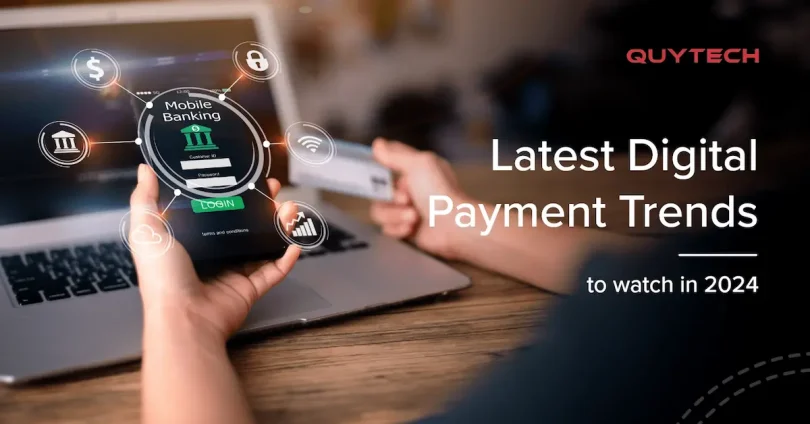

Digital payments have become an important part of daily life as more people choose faster and easier ways to send and receive money. From mobile wallets and QR codes to contactless cards and online banking, technology is changing how we pay for almost everything. Businesses, customers, and even small shops are adopting digital methods because they save time, reduce cash handling, and offer better security. In this article, you will learn about the latest digital payment trends, why they matter, and how they are shaping the future of transactions. latest digital payment trends
Why Digital Payments Matter Today
Digital payments are becoming essential because they offer a faster, easier, and more secure way to make transactions. People no longer need to carry cash or wait in long lines, as digital methods allow instant payments with just a phone or card. Businesses benefit too, since digital payments help them work more efficiently, keep better records, and reach more customers online. With the rise of smartphones, internet access, and e-commerce shopping, digital payments have become a reliable solution for modern needs. They provide convenience, reduce the risk of theft, and make everyday transactions smoother for both individuals and businesses.
Latest Digital Payment Trends in 2025
Digital payments continue to grow as technology becomes smarter and more secure. In 2025, several new trends are shaping how people and businesses handle money. These trends focus on speed, convenience, safety, and better user experience. Below are the major digital payment trends everyone should know.
1. Contactless Payments
Tap-to-pay using cards and smartphones is becoming one of the fastest ways to make transactions. It is quick, secure, and ideal for everyday purchases like groceries and travel.
2. QR Code Payments
QR code scanning is now widely used because it works on almost any smartphone and does not require special machines. Small shops, food stalls, and delivery services use QR codes for easy and low-cost payments.
3. Mobile Wallets
Apps like Google Pay, Apple Pay, Samsung Pay, and local mobile wallets are becoming more popular. These apps allow users to store payment cards, bills, tickets, and loyalty points in one place, making daily transactions simple and organized.
4. Super Apps
Super apps combine multiple services such as payments, shopping, food delivery, travel booking, and banking inside one platform. They save time by allowing users to do everything without switching between different apps.
5. Buy Now, Pay Later (BNPL)
BNPL services allow customers to split payments into smaller parts without using credit cards. Many online stores offer this option because it increases sales and gives customers more flexibility.
6. Digital Banking and Neobanks
Online-only banks are becoming popular due to quick account opening, low fees, and fast customer service. These digital banks offer easy mobile banking, instant transfers, and better user experience than traditional banks.
7. Biometric Authentication
Payments are becoming safer through fingerprints, face recognition, and voice authentication. These methods reduce fraud and speed up the login or payment approval process.
8. Cryptocurrency and Blockchain Payments
More companies are exploring blockchain for secure and transparent transactions. While cryptocurrency is still developing, it is slowly being accepted for international transfers and online purchases.
9. Tap-to-Pay Using Smartphones
Users can pay by simply tapping their phone on a machine. This trend is growing in retail stores, public transport, and airports for fast, cashless payments.
10. Subscription and Auto-Pay Systems
Streaming services, apps, and online tools now use recurring payments. Auto-pay makes bill payments easier and helps users avoid missed deadlines.
11. AI-Powered Fraud Detection
Advanced AI systems monitor transactions in real time and quickly detect suspicious activity. This technology helps users and businesses stay safe from fraud.
you may also like to read these posts;
Personal Money Management Guide: Easy Tips for Beginners
Saving Money Effectively Tips: Simple Ways to Save Fast
Daily Money Management Routines to Save and Control Money
Financial Control and Planning Guide for Beginners
Fintech Solutions for Businesses: Streamline Your Finances
Benefits of Digital Payment Systems
Digital payment systems offer a wide range of advantages that make financial transactions smoother, safer, and more efficient. These benefits help both individuals and businesses manage money in a smarter and more organized way.
1. Faster and Instant Payments
Digital payment methods complete transactions within seconds. Whether you are transferring money, paying bills, or shopping online, the process is quick and eliminates the need to wait in long queues or handle physical cash.
2. Strong Security and Fraud Protection
Modern digital payment systems use advanced security features like encryption, tokenization, OTPs, and biometric verification. These technologies protect user information and reduce the chances of fraud, making digital payments more secure than traditional cash handling.
3. Easy Financial Tracking
Every digital transaction gets recorded automatically. This helps users check their spending history, manage budgets, and identify unnecessary expenses. For businesses, digital records make accounting, tax filing, and auditing much easier and more accurate.
4. Convenience Anytime and Anywhere
Digital payments allow people to make transactions at any time, from any location with internet access. This level of convenience is especially helpful for busy professionals, online shoppers, and individuals who prefer cashless interactions.
5. Reduces Dependency on Cash
With digital options available, users do not need to carry large amounts of money, reducing the risk of loss or theft. This shift also supports the growth of cashless economies where transactions are smoother and more efficient.
6. Supports Business Growth and Customer Satisfaction
Businesses that offer digital payment options attract more customers by providing flexible and easy payment experiences. This boosts customer satisfaction, increases sales, and helps businesses compete in online and offline markets.
7. Lower Operational Costs for Businesses
Digital payments reduce the need for manual cash counting, storage, and handling. This cuts operational expenses, reduces human errors, and saves time for staff, allowing businesses to focus on customer service and growth.
8. Enables Global and Cross-Border Transactions
Many digital payment platforms allow fast international transfers with lower fees compared to traditional banking. This is especially useful for freelancers, online businesses, and families sending money overseas. latest digital payment trends
9. Encourages Financial Inclusion
Digital payments help people who do not have easy access to banks. With mobile wallets and digital banking, individuals in remote areas can send and receive money, pay bills, and manage finances without visiting a physical branch. latest digital payment trends
10. Enhances Transparency
Because every digital payment leaves a trace, it becomes easier to track transactions, reduce corruption, and build trust between businesses and customers. Clear records also make it easier for companies to analyze performance and forecast trends. latest digital payment trends
Challenges in Digital Payments
While digital payment systems offer many advantages, they also come with challenges that users and businesses must understand. These issues can affect security, accessibility, and overall trust in digital transactions. latest digital payment trends
1. Cybersecurity Risks
Digital payments depend on internet connectivity, which makes them vulnerable to hacking, phishing attacks, data breaches, and online fraud. Criminals often target payment platforms, and users may lose money if they fall for scams or use unsafe networks. latest digital payment trends
2. Privacy Concerns
Digital transactions store personal data such as phone numbers, payment history, and bank details. If companies do not handle this data responsibly, it can be misused or shared without permission, raising concerns about user privacy.
3. Limited Internet Access
In many rural or remote areas, internet access is weak or unavailable. This makes digital payments difficult or impossible for people who depend on stable connectivity for transactions. Without strong internet, users may face delays, failed payments, or errors. latest digital payment trends
4. Lack of Digital Literacy
Some users are not familiar with smartphones, apps, or online banking. This lack of digital knowledge can lead to mistakes, security issues, or a fear of using digital payment methods. Training and awareness are needed to help more people use these systems confidently. latest digital payment trends
5. Technical Glitches and System Downtime
Payment apps and banking systems may face technical problems such as server issues, slow performance, or temporary outages. These glitches can delay payments and cause frustration for users who need instant and reliable service. latest digital payment trends
6. High Transaction Fees
Some digital payment platforms charge fees for transfers, withdrawals, or international transactions. These costs can add up and discourage users from relying fully on digital payments, especially for small or frequent transactions.
7. Fraud and Scams
Online scams like fake apps, phishing messages, and fraudulent transactions remain a major challenge. Users who are not careful may share sensitive information accidentally, leading to financial loss or identity theft. latest digital payment trends
8. Device Dependency
Digital payments require smartphones, laptops, or other smart devices. If a device is lost, stolen, damaged, or runs out of battery, the user may not be able to make payments when needed. latest digital payment trends
9. Merchant Acceptance Issues
Not all businesses, especially small vendors, accept digital payments. Some prefer cash due to lack of knowledge, fear of taxes, or the cost of digital payment tools. This limits the reach of digital payment systems. latest digital payment trends
10. Regulatory and Compliance Challenges
Different countries have different rules for digital payments, which can create confusion for global businesses and users. Payment companies must constantly update their systems to follow new regulations, adding complexity to the process.
The Future of Digital Payments
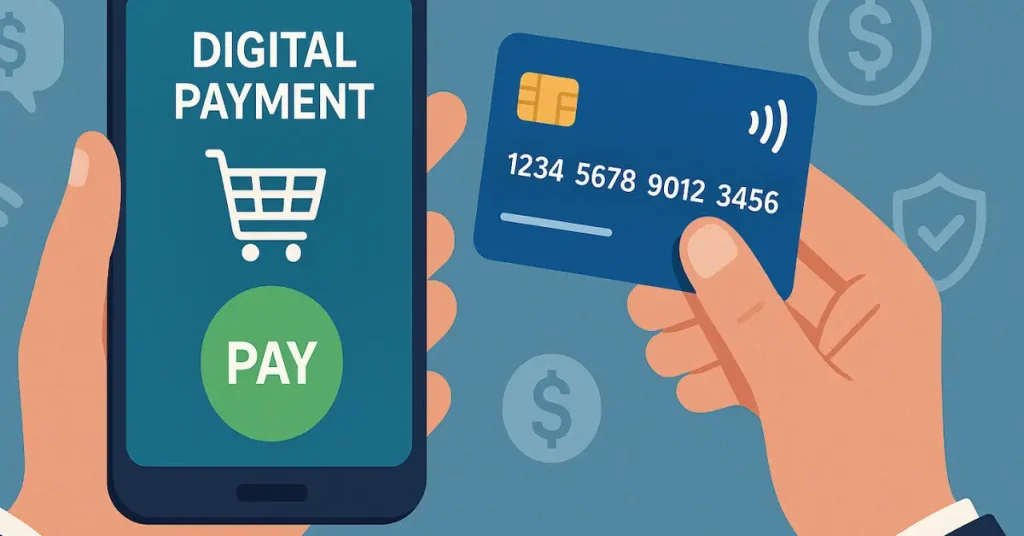
The future of digital payments is moving toward faster, smarter, and more secure transactions. As technology continues to evolve, digital payment systems will offer even more convenience and reliability to users and businesses around the world.
1. Increased Use of Artificial Intelligence
AI will play a bigger role in analyzing transactions, detecting fraud, and giving personalized recommendations. With smarter systems, payments will become safer and more efficient. latest digital payment trends
2. Expansion of Contactless and Tap-to-Pay
More stores, transportation systems, and service providers will adopt tap-to-pay technology. Users will depend even less on cash, leading to a smoother and quicker checkout experience. latest digital payment trends
3. Growth of Digital-Only Banks
Neobanks and online banks will continue to grow as they offer easier account management, faster services, and lower fees. Many people will prefer banking entirely through their smartphones. latest digital payment trends
4. Stronger Biometric Security
Fingerprint scans, facial recognition, and voice authentication will become more common. These methods will make digital payments safer and reduce the risk of password-related fraud. latest digital payment trends
5. Wider Adoption of Blockchain Technology
Blockchain will improve transparency and speed in transactions, especially for international transfers. It can help reduce costs and simplify cross-border payments.
6. Integration of Payments into Everyday Devices
Smartwatches, fitness trackers, and even home appliances will have built-in payment features. This will make payments more seamless and integrated into daily routines. latest digital payment trends
7. Growth of Super Apps
Super apps that combine messaging, shopping, banking, food delivery, and payments will become even more popular. Users will be able to manage most tasks inside a single app. latest digital payment trends
8. More Personalized Payment Experiences
Digital payment platforms will offer tailored features based on user habits, such as spending insights, automated savings, and personalized offers. latest digital payment trends
9. Rise of Cashless Societies
Many countries will move closer to becoming cashless, with digital payments becoming the primary method for most transactions. Governments and businesses will invest more in digital infrastructure. latest digital payment trends
10. Better Payment Access for All
As internet access improves and digital literacy increases, more people in rural or remote areas will be able to use digital payments. This will improve financial inclusion worldwide.
Are digital payments safe?
Yes, digital payments are generally safe because they use security features like encryption, OTPs, and biometric authentication. However, users should avoid sharing personal information and only use trusted apps to stay protected.
Which digital payment methods are most popular today?
Mobile wallets, QR code payments, contactless cards, online banking, and UPI-style instant transfers are among the most widely used digital payment methods worldwide.
What is the future of cash in a digital world?
Cash will still exist, but its use will decrease as more people prefer fast and convenient digital options. Many countries are slowly moving toward becoming cashless societies.
How do mobile wallets work?
Mobile wallets store payment information on your smartphone. When making a payment, the wallet uses secure technology to connect your bank or card details with the merchant, allowing fast and easy transactions.
Conclusion
Digital payments are transforming the way we manage money, making transactions faster, safer, and more convenient for both individuals and businesses. From mobile wallets and contactless payments to AI-powered fraud detection and blockchain technology, the latest trends are focused on speed, security, and user experience. While challenges like cybersecurity, privacy concerns, and digital literacy remain, the benefits of digital payments far outweigh the drawbacks. As technology continues to evolve, digital payment systems will become even more integrated into our daily lives, offering smarter, seamless, and more accessible ways to pay. Staying informed about these trends helps users and businesses adapt and make the most of a cashless, digital future.