
Fintech, or financial technology, is rapidly transforming the way we manage money, make payments, invest, and access financial services. With every year, new technologies emerge that make financial processes faster, safer, and more convenient.
As we approach 2026, the fintech industry is expected to see major technological advancements that will reshape banking, payments, investments, and everyday financial management. Staying updated on these trends is essential for businesses, investors, and consumers who want to make smart financial decisions and leverage innovative tools.
In this article, we’ll explore the fintech technology trends 2026, including AI, blockchain, digital payments, open banking, cybersecurity, and more, providing insights into how these innovations will impact everyday finance.
Artificial Intelligence (AI) and Machine Learning in Fintech
AI and machine learning are transforming the financial industry by making services smarter, faster, and more personalized. These technologies analyze large amounts of data to help both businesses and users make better financial decisions.
1. Personalized Financial Insights
AI can track your spending, savings, and investments, providing customized recommendations to help you manage money more effectively. For example, apps can suggest ways to save, highlight overspending, or recommend investment opportunities based on your habits.
2. Predictive Analytics for Smarter Decisions
Machine learning algorithms can predict trends, forecast risks, and optimize investments. Banks and fintech companies use this to offer tailored products and services, reducing financial risks for both the company and its users.
3. Automated Savings and Smart Budgeting
AI-driven tools can automatically allocate funds to savings, investments, or bill payments, helping users stay on track with their financial goals without manual effort.
4. Fraud Detection and Security
AI helps detect unusual transactions or potential fraud in real-time. By analyzing patterns and flagging suspicious activity, fintech apps can protect users’ money and prevent security breaches.
AI and machine learning are no longer futuristic concepts—they are core technologies driving innovation in 2026, making financial management more intelligent, secure, and accessible for everyone.
you may also like to read these posts;
Personal Money Management Guide: Easy Tips for Beginners
Saving Money Effectively Tips: Simple Ways to Save Fast
Daily Money Management Routines to Save and Control Money
Financial Control and Planning Guide for Beginners
Fintech Solutions for Businesses: Streamline Your Finances
Blockchain and Decentralized Finance (DeFi)
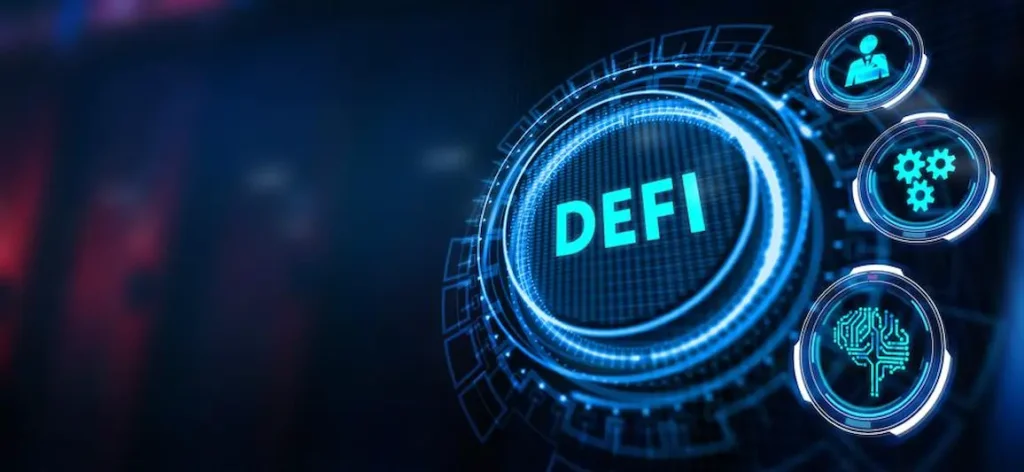
Blockchain and DeFi are reshaping the financial world by providing secure, transparent, and decentralized alternatives to traditional banking and payment systems.
1. Secure and Transparent Transactions
Blockchain technology records every transaction on a tamper-proof digital ledger, making it highly secure and transparent. This reduces the risk of fraud and builds trust in digital financial systems.
2. Growth of Decentralized Finance (DeFi)
DeFi platforms allow users to lend, borrow, trade, and invest without relying on traditional banks. By removing intermediaries, DeFi can offer faster services, lower costs, and global accessibility.
3. Stablecoins and Cryptocurrency Integration
Stablecoins and cryptocurrencies are increasingly being integrated into fintech apps and payment systems. These digital assets enable faster cross-border payments and provide alternatives to traditional currencies. fintech technology trends 2026
4. Smart Contracts and Automation
Smart contracts are self-executing agreements coded on a blockchain. They automate processes such as loan approvals, insurance claims, and payments, reducing paperwork and increasing efficiency. fintech technology trends 2026
Blockchain and DeFi are expected to play a major role in 2026, offering innovative financial solutions, enhancing transparency, and making financial services accessible to more people worldwide. fintech technology trends 2026
Digital Payments and Contactless Solutions fintech technology trends 2026
Digital payments and contactless technologies are transforming how people and businesses handle transactions. By 2026, these solutions are expected to become even more seamless, secure, and widely adopted. fintech technology trends 2026
1. Mobile Wallets and QR Code Payments
Mobile wallets like Apple Pay, Google Pay, and PayPal allow users to send, receive, and pay instantly. QR code payments are increasingly popular in retail, restaurants, and online platforms, making transactions faster and reducing the need to carry cash or physical cards. fintech technology trends 2026
2. Contactless Transactions
Contactless payment methods, including tap-to-pay cards and NFC-enabled devices, provide quick, hygienic, and convenient payments. Consumers can complete purchases in seconds, and businesses benefit from faster checkouts and improved customer experience. fintech technology trends 2026
3. Faster Cross-Border Payments
Digital payment solutions enable real-time international transfers, eliminating the delays of traditional banking systems. This is particularly beneficial for freelancers, remote workers, and businesses dealing with global clients. fintech technology trends 2026
4. Integration with Everyday Services
Digital wallets and contactless payments are now integrated with apps for ride-hailing, food delivery, subscriptions, and e-commerce. fintech technology trends 2026
Open Banking and API Integration
Open banking and API integration are changing how financial services work by allowing secure data sharing between banks, fintech apps, and third-party platforms. This trend is expected to grow strongly in 2026. fintech technology trends 2026
1. What Is Open Banking?
Open banking allows customers to share their financial data securely with authorized fintech apps through APIs (Application Programming Interfaces). This gives users more control over their data and access to better financial services.
2. Better Personalization for Users
With open banking, fintech apps can analyze financial data to offer personalized budgeting tools, spending insights, loan offers, and savings plans tailored to individual needs. fintech technology trends 2026
3. Seamless Financial Experiences
API integration enables different financial services to work together smoothly. For example, a budgeting app can automatically sync bank transactions, or a payment app can connect directly with your bank for instant transfers. fintech technology trends 2026
4. Increased Competition and Innovation
Open banking encourages competition by allowing fintech startups to build innovative solutions on top of traditional banking systems. This leads to better products, lower costs, and improved customer experiences. fintech technology trends 2026
5. Improved Security and Transparency
Open banking frameworks follow strict security standards and user consent rules. Customers decide who can access their data, making financial services more transparent and trustworthy. fintech technology trends 2026
Open banking and API integration are making finance more connected, flexible, and user-focused, helping consumers and businesses enjoy smarter financial solutions in 2026 and beyond. fintech technology trends 2026
Cybersecurity and Fraud Prevention
Importance of Cybersecurity in Fintech
As fintech technology grows, cybersecurity has become a major concern. More people are using digital wallets, mobile banking, and online payment platforms every day. This makes financial data a valuable target for cybercriminals. In 2026, fintech companies are focusing strongly on building secure systems to protect users from fraud and data theft. fintech technology trends 2026
Advanced Data Encryption
Data encryption is one of the most effective ways to protect financial information. Fintech platforms encrypt sensitive data such as passwords, account details, and transaction records. This ensures that even if data is intercepted, it cannot be read or misused by unauthorized users. fintech technology trends 2026
Biometric Authentication
Biometric security methods like fingerprint scanning, facial recognition, and voice authentication are becoming more common. These technologies add an extra layer of protection and reduce reliance on passwords, making it much harder for hackers to access accounts.fintech technology trends 2026
AI-Powered Fraud Detection
Artificial intelligence plays a key role in identifying fraud. AI systems monitor user behavior and transaction patterns in real time. When unusual activity is detected, the system can instantly flag or block the transaction and notify the user, helping prevent financial losses. fintech technology trends 2026
Multi-Factor Authentication (MFA)
Multi-factor authentication requires users to verify their identity using more than one method. This may include a password, a one-time code, or biometric verification. MFA greatly improves account security and reduces the risk of unauthorized access.
Regulatory Compliance and User Trust
Fintech companies must follow strict financial and data protection regulations. Compliance with these rules ensures transparency and builds trust between users and service providers. Strong regulations also help maintain a safe and reliable fintech ecosystem.
Future of Cybersecurity in Fintech
As fintech continues to evolve in 2026, cybersecurity measures will become even more advanced. Strong security systems will not only protect users but also support the long-term growth of digital finance by increasing confidence in fintech services.
Embedded Finance and Super Apps
What Is Embedded Finance?
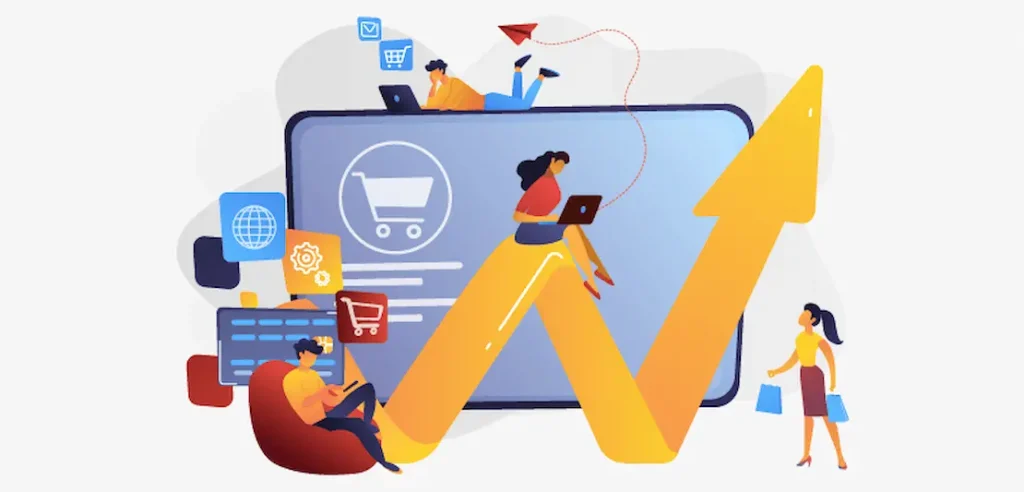
Embedded finance refers to financial services that are built directly into non-financial platforms such as e-commerce websites, ride-hailing apps, and social media platforms. Instead of visiting a bank or separate app, users can make payments, get loans, or buy insurance within the same platform they already use.
Examples of Embedded Finance in Everyday Life
Many online stores now offer buy now, pay later options at checkout. Ride-sharing apps allow in-app payments and digital wallets. Food delivery platforms provide instant refunds and cashback. These features make financial services more accessible and convenient for users.
What Are Super Apps?
Super apps are all-in-one platforms that combine multiple services, including payments, banking, shopping, investing, and even messaging. Users can manage many daily tasks within a single app, reducing the need to switch between different applications.
Benefits of Super Apps for Users
Super apps offer convenience, speed, and simplicity. Users can pay bills, transfer money, invest, and shop from one place. This improves the overall user experience and saves time.
Benefits for Businesses
For businesses, embedded finance and super apps help increase customer engagement and loyalty. By offering financial services directly, companies can create smoother user journeys and generate new revenue streams.
Future Growth of Embedded Finance and Super Apps
In 2026, embedded finance and super apps are expected to grow rapidly. More industries will integrate financial services into their platforms, making digital finance more seamless, personalized, and accessible.
What are fintech technology trends?
Fintech technology trends refer to new and emerging technologies that improve financial services. These include AI, blockchain, digital payments, cybersecurity, open banking, and embedded finance.
Why are fintech trends important in 2026?
Fintech trends in 2026 are important because they shape how people save, spend, invest, and manage money. These innovations make financial services faster, safer, and more accessible.
How does AI help the fintech industry?
AI helps fintech by providing personalized financial insights, detecting fraud, automating savings, improving customer support, and making smarter financial predictions.
Is blockchain safe for financial transactions?
Yes, blockchain is considered highly secure because it uses decentralized and transparent ledgers. It reduces fraud and improves trust in digital transactions.
Conclusion
Fintech technology is rapidly transforming the way we manage money, make payments, invest, and access financial services. In 2026, trends like AI, blockchain, digital payments, open banking, embedded finance, and super apps will continue to drive innovation and improve everyday financial experiences.
While challenges such as cybersecurity and fraud prevention remain, fintech companies are implementing advanced solutions to keep users safe and secure. Staying informed about these trends can help individuals and businesses make smarter financial decisions, adopt convenient digital tools, and prepare for the future of finance.
By embracing fintech innovations, users can enjoy faster transactions, personalized financial services, and more accessible digital solutions, making money management easier and more efficient than ever before.