
Contactless payment systems have quickly become one of the most popular ways to pay in today’s digital world. Instead of swiping a card or handing over cash, users can simply tap their phone, card, or smartwatch to complete a transaction within seconds. This fast and convenient payment method is now used in stores, restaurants, transport systems, and even online checkouts. As technology advances, contactless payments continue to grow, offering users a safer and more efficient way to manage everyday purchases. In this guide, we will explain how contactless payment systems work, their benefits, challenges, and why they are becoming a key part of modern financial life.
What Are Contactless Payment Systems?
Contactless payment systems allow users to make transactions without physically swiping a card or entering a PIN. Instead, the payment is completed by tapping or bringing a card, smartphone, or wearable device close to a compatible payment terminal. These systems use wireless communication technology to securely transfer payment information in just a few seconds.
Unlike traditional methods that require inserting a card or handling cash, contactless payments are fast, simple, and designed for everyday convenience. They are widely supported by banks, retailers, and digital wallets, making them one of the easiest and most popular ways to pay in the modern world.
How Contactless Payment Technology Works
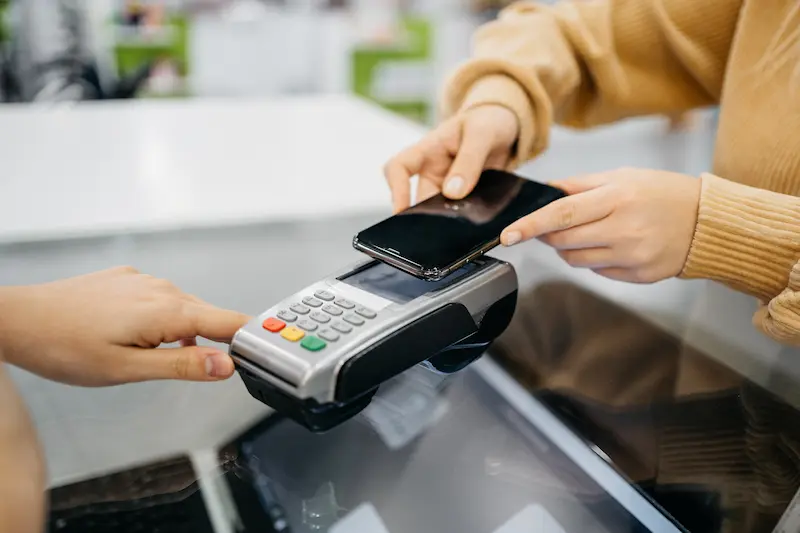
Contactless payment technology allows users to complete transactions by simply tapping or holding their card, phone, or wearable device near a payment terminal. The entire process happens within seconds and uses secure wireless communication to transfer payment data.
1. NFC (Near Field Communication)
NFC is the most common technology powering contactless payments. It enables two devices—like a phone and a payment terminal—to exchange data securely when they are just a few centimeters apart. Apps like Google Pay, Apple Pay, and Samsung Pay use NFC to process tap-to-pay transactions.
2. RFID (Radio Frequency Identification)
Some contactless cards use RFID chips, which send encrypted payment details to the terminal when tapped. This method does not require physical contact with the machine, making it faster and more convenient than traditional magnetic stripe cards.
3. QR Code Payments
QR codes offer another type of contactless payment. Users scan a merchant’s code or show their own code to be scanned. This method is widely used in digital wallets and mobile banking apps and is especially popular in markets where NFC terminals are less common.
4. Secure Data Transmission
When a user taps their device, the card or wallet sends a unique, encrypted code—not the actual card number—to the terminal. This process, called tokenization, ensures that payment information cannot be reused or stolen.
Overall, contactless technology combines speed, ease, and advanced security, making it one of the most trusted ways to pay today.
Popular Types of Contactless Payment Methods
1. Mobile Wallets
Mobile wallets let users store card information digitally and make payments using their smartphones. These apps use NFC or QR technology to process secure transactions. contactless payment systems
- Examples: Apple Pay, Google Pay, Samsung Pay
- Key Features: Tokenization for security, biometric authentication, fast checkout
- Where They’re Used: Retail stores, restaurants, transport systems, online shopping
Mobile wallets are becoming one of the most widely used contactless payment options because they combine convenience with strong security features like fingerprint or facial recognition. contactless payment systems
2. Contactless Debit and Credit Cards
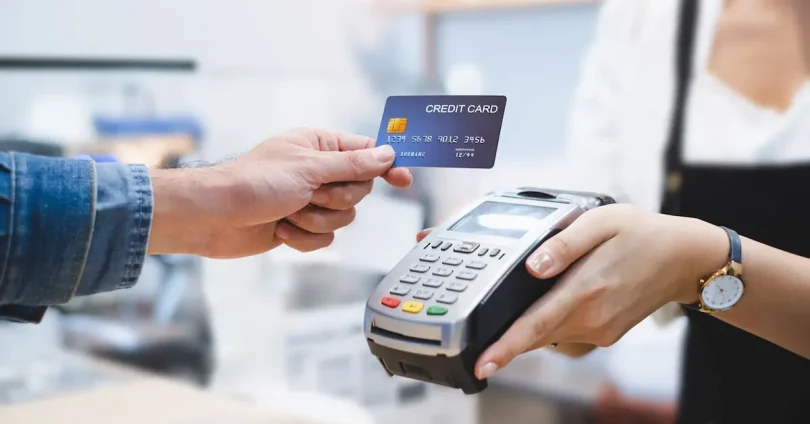
These are physical bank cards equipped with NFC or RFID chips that allow tap-to-pay functionality.
- How They Work: Users tap their card on the payment terminal instead of inserting it
- Benefits: Quick, widely accepted, no need for a smartphone
- Usage Limits: Some countries set a maximum amount per tap without entering a PIN
Contactless cards are ideal for everyday purchases because they reduce checkout time and are easy for all age groups to use. contactless payment systems
3. Wearable Payment Devices
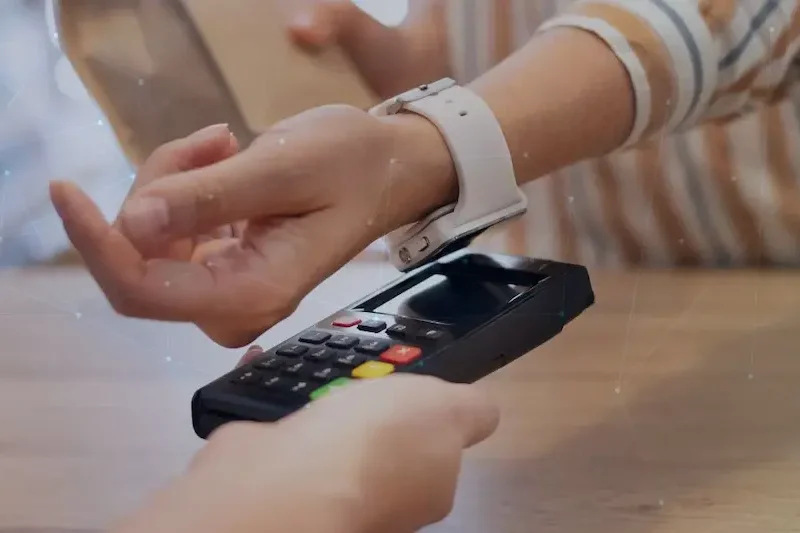
Wearables include smartwatches, fitness bands, and payment-enabled rings that allow users to make payments without carrying a phone or wallet.
- Examples: Apple Watch, Samsung Galaxy Watch, Fitbit Pay, Garmin Pay
- Benefits: Hands-free payments, great for traveling, workouts, and quick purchases
- Technology Used: NFC for tap-to-pay
Wearables are gaining popularity as more users prefer lightweight, always-on devices for quick transactions. contactless payment systems
4. QR Code Payments
QR-based payments are especially popular in Asia, Europe, and emerging markets.
- How It Works: Users scan a merchant’s QR code or show their own code for the merchant to scan
- Examples: Alipay, WeChat Pay, Paytm, bank mobile apps
- Benefits: Works on any smartphone camera, no special terminal required, very secure contactless payment systems
QR code payments are cost-effective for small businesses and extremely convenient for users in markets where NFC terminals are less common. contactless payment systems
5. In-App Contactless Payments
Some apps store payment details and complete transactions without needing a terminal or physical device. contactless payment systems
- Examples: Uber, Amazon, food delivery apps, online stores
- Benefits: One-click checkout, secure encryption, seamless experience
- Usage Cases: Booking rides, ordering food, paying online bills
These payments feel “contactless” because users don’t need cards or cash—they simply approve the payment inside the app. contactless payment systems
6. Digital Bank-to-Bank Transfers
Modern banking apps allow instant, contactless bank transfers using features like:
- UPI (India)
- Zelle (USA)
- Faster Payments (UK)
- IBFT (Pakistan)
These transfers require no card or cash and happen in seconds, making them a popular digital alternative. contactless payment systems
you may also like to read these posts;
Personal Money Management Guide: Easy Tips for Beginners
Saving Money Effectively Tips: Simple Ways to Save Fast
Daily Money Management Routines to Save and Control Money
Financial Control and Planning Guide for Beginners
Fintech Solutions for Businesses: Streamline Your Finances
Benefits of Contactless Payment Systems
1. Faster Transactions
Contactless payments significantly reduce checkout time. Instead of entering a PIN or counting cash, users can simply tap their card or phone and complete the transaction in seconds. This speed makes contactless payments ideal for busy stores, restaurants, and public transport. contactless payment systems
2. Increased Convenience
Users don’t need to swipe cards, carry physical cash, or even pull out a wallet. Payments can be made using smartphones, smartwatches, or wearable devices. This convenience is especially helpful for quick purchases or when on the go. contactless payment systems
3. Enhanced Security
Contactless payments use advanced technologies like tokenization, encryption, and biometric authentication. Instead of sharing the actual card number, a unique, one-time token is sent to complete the payment. This greatly reduces the risk of fraud and unauthorized access. contactless payment systems
4. Better Hygiene and Safety
Since contactless payments do not require touching payment terminals, cash, or card readers, they help minimize the spread of germs. This benefit became even more important during the rise of health-conscious shopping habits. contactless payment systems
5. Widely Accepted Across Businesses
More retailers, restaurants, and transport systems now support contactless payments. This growing acceptance makes it easier for users to rely on tap-to-pay methods for daily transactions. contactless payment systems
6. Useful for Small and Frequent Purchases
Contactless technology is perfect for low-value or everyday purchases like coffee, groceries, or bus fares. It helps speed up lines and improves the customer experience. contactless payment systems
7. Supports Digital Wallet Features
Users can manage their cards, track spending, receive alerts, and view transaction history through mobile wallets. These additional features make financial management easier and more organized. contactless payment systems
8. Reduced Wear and Tear on Cards
Since cards are tapped instead of swiped or inserted, their physical lifespan is extended. This helps prevent card damage and reduces the need for replacements.
9. Safer Than Cash Payments
Cash can be lost, stolen, or contaminated. With contactless payments, transactions are logged digitally, making them traceable and secure.
10. Suitable for All Age Groups
Because contactless payments are simple and quick, they can be used comfortably by teenagers, adults, and elderly users, making them accessible to a wide range of people.
Things to Consider Before Using Contactless Payments
1. Transaction Limits
Many banks and payment providers set a maximum limit for contactless payments. For purchases above this limit, you may need to enter your PIN or use another payment method. Make sure you know your card or wallet’s tap-to-pay limit.
2. Device Compatibility
Not all smartphones, watches, or cards support contactless technology. Before relying on tap-to-pay, check if your device is NFC-enabled or if your bank provides contactless cards.
3. Merchant Acceptance
While contactless payments are growing in popularity, some smaller businesses may still not accept them. Always keep a backup payment method—cash or a chip card—just in case.
4. Security Awareness
Contactless payments are secure, but users still need to take basic precautions. Avoid tapping your card near unknown devices and immediately report a lost or stolen card to your bank.
5. Battery Dependency for Mobile Wallets
If you use a smartphone or smartwatch for payments, you must ensure the device has enough battery. Unlike physical cards, mobile wallets won’t work without power.
6. Network or Terminal Issues
Sometimes payment terminals may face technical issues, causing delays or failed transactions. This is uncommon but worth keeping in mind during urgent purchases.
7. Keeping Your Card or Device Safe
Contactless cards work without a PIN for small transactions. If someone finds your lost card, they may be able to make small unauthorized purchases before you block it. Store your card safely and use card-blocking apps for extra protection.
8. Privacy Concerns
Some users worry about how their spending data is used. Check your bank or wallet provider’s privacy policy to understand how your transaction data is stored and shared.
9. International Use Limitations
Contactless acceptance varies by country. If you travel frequently, confirm whether your card or digital wallet works internationally and if there are additional fees.
10. Need for Occasional Verification
Banks sometimes require chip-and-PIN verification after several contactless payments to ensure the card is being used by the correct person. This is normal and increases security.
Are contactless payments safe to use?
Yes, contactless payments are protected by encryption and tokenization, making them secure. The card never leaves your hand, which reduces the risk of theft or skimming.
Do I need an internet connection to make contactless payments?
For contactless cards, no internet is required. For mobile wallets, your device needs to be powered on, but the actual transaction does not require an internet connection.
What is the limit for contactless payments?
The limit varies depending on your bank or country. For larger purchases, you may be asked to enter your PIN or use a chip insert.
Can someone steal money by scanning my card?
It’s extremely unlikely because contactless cards have very short range and strong security features. Still, you can use RFID-blocking wallets for extra peace of mind.
Conclusion
Contactless payment systems have transformed the way we make everyday transactions, offering speed, convenience, and enhanced security. Whether using a mobile wallet, contactless card, wearable device, or QR code, these systems make payments faster and more efficient while reducing physical contact. By understanding how contactless technology works, knowing the benefits, and keeping safety considerations in mind, users can confidently adopt this modern payment method. As more businesses and countries embrace contactless solutions, staying informed and using best practices ensures you enjoy a seamless, secure, and convenient payment experience in today’s digital world.