
Managing money effectively is one of the most important skills for achieving financial stability and peace of mind. Many beginners feel overwhelmed when trying to budget because they think it’s complicated or time-consuming. The truth is, budgeting doesn’t have to be difficult—even simple strategies can help you take control of your finances. budgeting strategies for beginners
A well-planned budget allows you to track income and expenses, reduce unnecessary spending, save consistently, and work toward financial goals. Whether you want to build an emergency fund, pay off debt, or save for a big purchase, starting with the right budgeting strategies can make all the difference.
In this article, we will share practical, easy-to-follow budgeting strategies for beginners. You’ll learn how to understand your finances, choose a budgeting method, monitor spending, and make adjustments so you can manage money confidently and effectively.
Understand Your Income and Expenses budgeting strategies for beginners
The first step in budgeting is to know exactly how much money you earn and where it goes. Without this understanding, it’s hard to create a realistic budget or reach your financial goals.
Track Your Income
Start by listing all sources of income, including:
- Salary or wages
- Side hustles or freelance work
- Passive income like investments or rental income
Knowing your total monthly income gives you a clear picture of the money available to cover expenses, savings, and debt repayment.
List Your Expenses
Next, make a list of your monthly expenses:
- Fixed expenses: rent, utilities, loan payments
- Variable expenses: groceries, transportation, entertainment
- Occasional expenses: subscriptions, gifts, medical bills
Tracking your expenses for a month helps you identify spending patterns and areas where you might be overspending.
Identify Spending Patterns
Review your spending and ask yourself questions like:
- Which expenses are essential, and which are optional?
- Are there recurring costs I can reduce or eliminate?
- Am I spending more on wants than needs?
Tools to Help Track Finances
You don’t have to do this manually. Apps like Mint, YNAB (You Need a Budget), PocketGuard, or even a simple spreadsheet can help you track income and expenses automatically, making it easier to analyze your spending.
By clearly understanding your income and expenses, you gain the foundation for effective budgeting, saving money, and making smarter financial decisions.
you may also like to read these posts;
Personal Money Management Guide: Easy Tips for Beginners
Saving Money Effectively Tips: Simple Ways to Save Fast
Daily Money Management Routines to Save and Control Money
Financial Control and Planning Guide for Beginners
Fintech Solutions for Businesses: Streamline Your Finances
Set Clear Financial Goals
Setting clear financial goals is a crucial step in budgeting because it gives your money purpose and direction. Without goals, it’s easy to overspend or save inconsistently. Goals help you prioritize your spending, stay motivated, and measure progress.
Short-Term vs. Long-Term Goals
- Short-term goals: Achievable within a few months to a year. Examples include:
- Saving $500–$1,000 for an emergency fund
- Paying off a small credit card balance
- Saving for a vacation or a new gadget
- Long-term goals: Take several years or more to achieve. Examples include:
- Buying a house
- Saving for retirement
- Funding a child’s education
By distinguishing between short-term and long-term goals, you can allocate your money wisely and balance immediate needs with future priorities.
How Goals Guide Your Budget
Financial goals help you decide where to allocate your money first. For example:
- If your goal is to build an emergency fund, allocate 10–20% of your income to savings before spending on wants.
- If paying off debt is a priority, assign a specific portion of your budget to debt repayment.
Goals give structure to your budget and help you make intentional spending decisions rather than reacting impulsively.
Tips for Setting Effective Financial Goals
- Be specific: Instead of a vague goal like “save money,” set a clear target, e.g., “save $1,000 in 6 months.”
- Make it measurable: Track your progress weekly or monthly to see how close you are to achieving your goal.
- Be realistic: Consider your income, expenses, and lifestyle. Start with achievable goals to avoid frustration.
- Set deadlines: A timeline keeps you accountable and motivated. For example, “Save $200 every month for 5 months.”
- Break large goals into smaller steps: Large goals can feel overwhelming. Divide them into smaller milestones to maintain momentum and motivation.
Examples of Financial Goals
- Save $50 per week for an emergency fund
- Pay off $1,000 credit card debt in 6 months
- Save $200 monthly for a vacation next year
- Invest $100 monthly in a retirement account
Benefits of Setting Financial Goals
- Provides clarity and purpose for your spending and saving
- Keeps you motivated and focused on what matters
- Encourages consistent and disciplined financial habits
- Makes budgeting more meaningful and actionable
By setting clear and achievable financial goals, your budget becomes a roadmap for your financial future rather than just a list of numbers. You’ll spend and save with intention, making it easier to achieve both your short-term needs and long-term dreams.
Choose a Budgeting Method
Choosing the right budgeting method is essential for staying organized and controlling your finances. There isn’t a one-size-fits-all approach—what matters is finding a method that works for you and your lifestyle.
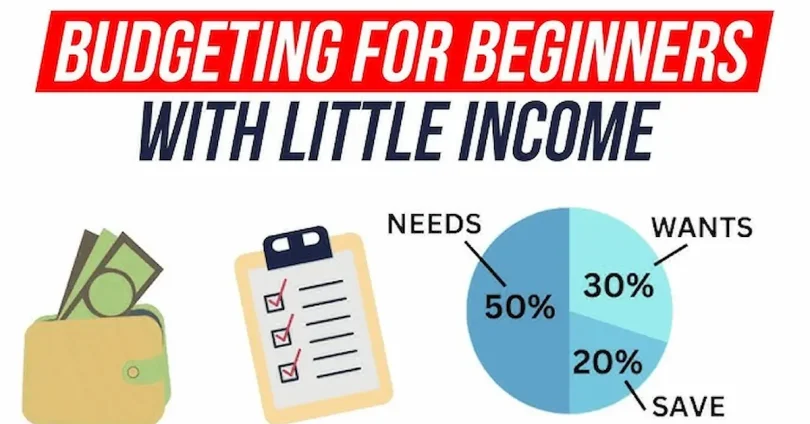
1. 50/30/20 Rule
The 50/30/20 rule is one of the simplest and most beginner-friendly budgeting methods:
- 50% for needs: Rent, utilities, groceries, transportation
- 30% for wants: Entertainment, dining out, hobbies
- 20% for savings and debt repayment: Emergency fund, investments, loans
Why it works: It’s easy to remember, balances spending and saving, and gives beginners a clear guideline for managing money.
2. Envelope System
The envelope system uses cash or digital “envelopes” to allocate money for each spending category:
- Assign a set amount to each category (e.g., groceries, entertainment)
- Spend only what’s in the envelope budgeting strategies for beginners
- Once the money is gone, stop spending in that category until the next month
Why it works: It helps control overspending and encourages mindful spending habits. budgeting strategies for beginners
3. Zero-Based Budgeting
With zero-based budgeting, every dollar of income is assigned a purpose:
- Allocate money for needs, wants, savings, and debt budgeting strategies for beginners
- Ensure that income minus expenses equals zero by the end of the month
Why it works: It provides complete control over your money, leaving no funds unaccounted for and helping prevent wasteful spending. budgeting strategies for beginners
Tips for Choosing the Right Method
- Start simple if you’re new to budgeting; the 50/30/20 rule is ideal for beginners.
- Experiment with different methods to see which fits your lifestyle best.
- Combine methods if needed—e.g., use zero-based budgeting for essentials and the envelope system for discretionary spending. budgeting strategies for beginners
Tools to Help
Budgeting apps like YNAB, Mint, Goodbudget, or PocketGuard can make implementing any method easier by tracking spending automatically and providing visual insights. budgeting strategies for beginners
By choosing a budgeting method that suits your needs and personality, you can take control of your finances, reduce stress, and make your money work for you. budgeting strategies for beginners
Track and Monitor Your Spending
Tracking and monitoring your spending is a key step in budgeting. Even with a clear budget and goals, you need to know where your money actually goes to stay on track.
Why Tracking Spending Matters
- Helps you stick to your budget budgeting strategies for beginners
- Reveals areas where you might be overspending budgeting strategies for beginners
- Shows progress toward your savings and financial goals budgeting strategies for beginners
- Encourages mindful and intentional spending budgeting strategies for beginners
How to Track Spending
- Use a Budgeting App: Apps like Mint, YNAB, Goodbudget, or PocketGuard can automatically track income and expenses, categorize spending, and provide visual reports. budgeting strategies for beginners
- Keep a Spending Journal: Write down every expense daily, including small purchases. This helps you become aware of where your money is going.
- Use Spreadsheets: A simple spreadsheet can track income, fixed and variable expenses, and savings, giving you a clear monthly overview.
Check Spending Regularly
- Review your budget weekly or monthly to see if you’re staying within limits.
- Compare actual spending against your planned budget to identify areas for improvement. budgeting strategies for beginners
- Adjust your allocations if certain categories consistently run over or under budget. budgeting strategies for beginners
Benefits of Monitoring Spending
- Prevents overspending and impulse purchases budgeting strategies for beginners
- Helps you stay accountable to your budget budgeting strategies for beginners
- Encourages better financial habits and discipline budgeting strategies for beginners
- Makes it easier to reach both short-term and long-term financial goals budgeting strategies for beginners
By consistently tracking and monitoring your spending, you gain full control over your money, making budgeting effective and helping you achieve your financial goals faster. budgeting strategies for beginners
Reduce Unnecessary Expenses
Reducing unnecessary expenses is one of the easiest ways to free up money for savings, debt repayment, and financial goals. Even small cuts in daily spending can add up over time. budgeting strategies for beginners
Identify Non-Essential Spending
Start by reviewing your monthly expenses and asking yourself:
- Do I really need this item or service?
- Can I find a cheaper alternative?
- Does this purchase add long-term value or happiness?
Common non-essential expenses include:
- Unused subscriptions (streaming services, magazines, apps)
- Frequent dining out or takeaway meals budgeting strategies for beginners
- Impulse purchases like clothes, gadgets, or luxury items
Tips to Cut Back on Spending
- Cancel unused subscriptions: Review and eliminate services you rarely use.
- Cook at home: Preparing meals yourself can save a significant amount compared to eating out.
- Shop smart: Use discounts, coupons, cashback apps, or buy in bulk for essentials.
- Avoid impulse purchases: Wait 24–48 hours before buying non-essential items to decide if it’s really necessary.
- Set spending limits: Allocate a specific amount for discretionary spending and stick to it.
Monitor Small Daily Expenses
Even small, everyday purchases add up. Things like coffee, snacks, or transportation costs can silently drain your budget. Track these daily expenses to identify where you can save without feeling deprived.
Example: Spending $5 on coffee every day adds up to $150 a month. Brewing coffee at home can redirect that money toward savings or debt repayment.
Benefits of Reducing Unnecessary Expenses
- Frees up money for savings, investments, or debt repayment
- Encourages mindful and intentional spending
- Helps achieve financial goals faster
- Reduces financial stress and builds better money habits
By cutting unnecessary expenses, you can make your budget more effective and create room in your finances for what truly matters.
How can beginners start budgeting effectively?
Start by tracking your income and expenses, setting clear financial goals, and choosing a budgeting method that fits your lifestyle. Begin small and stay consistent.
What is the easiest budgeting method for beginners?
The 50/30/20 rule is simple and effective:
50% for needs (rent, bills, groceries)
30% for wants (entertainment, dining out)
20% for savings and debt repayment
How much of my income should I save each month?
A good starting point is 10–20% of your income, but adjust based on your financial goals, expenses, and priorities. Consistency matters more than the exact amount.
Conclusion
Budgeting is the foundation of financial stability and stress-free money management. For beginners, it may seem overwhelming at first, but by following simple, practical strategies, anyone can take control of their finances.
Start by understanding your income and expenses, set clear financial goals, and choose a budgeting method that works for your lifestyle. Track your spending, reduce unnecessary expenses, build savings, and manage debt wisely. Regularly reviewing and adjusting your budget will help you stay on track and achieve both short-term and long-term goals.
Remember, budgeting is not about restriction—it’s about making intentional decisions with your money. Even small, consistent steps can lead to significant financial improvements over time. With patience, discipline, and the right strategies, you can build financial confidence, reach your goals, and enjoy peace of mind.