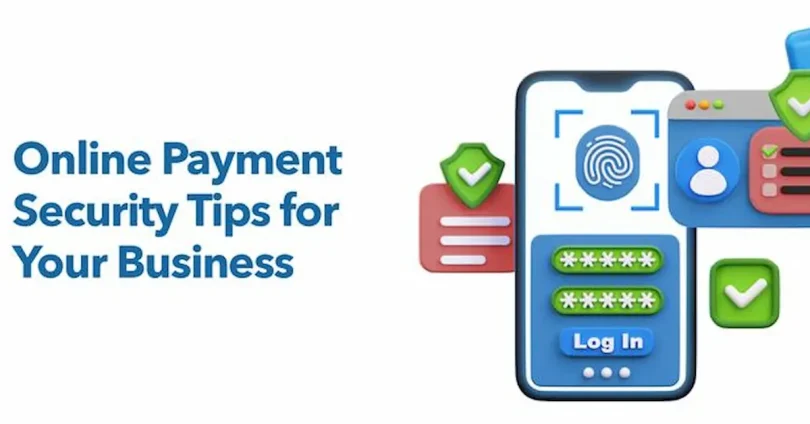

Online payments have become an essential part of our daily lives, allowing people to shop, pay bills, transfer money, and manage finances quickly and conveniently. As technology evolves, online payment methods are becoming faster, safer, and more versatile than ever. However, with convenience comes the need for awareness about security, best practices, and emerging trends. In this guide, we’ll share the most effective online payment technology tips to help you make transactions safely, avoid fraud, and take full advantage of the latest digital payment tools.
Why Online Payment Technology Matters
Online payment technology plays a crucial role in today’s digital economy by making financial transactions faster, safer, and more convenient. It allows users to pay bills, shop online, transfer money, and manage finances from anywhere at any time. Security features built into online payment systems, such as encryption and fraud detection, help protect sensitive information and reduce the risk of unauthorized transactions. Businesses also benefit by offering smoother checkout experiences, faster payments, and wider customer reach. With the increasing adoption of smartphones and digital platforms worldwide, online payment technology has become essential for both individuals and businesses seeking efficiency, security, and convenience in managing money.
Key Online Payment Technologies
1. Payment Gateways
Payment gateways act as the bridge between your bank or wallet and the merchant’s system, securely processing online transactions. Popular gateways like PayPal, Stripe, Razorpay, and Square ensure that payments are fast, reliable, and encrypted. They handle authorization, fund transfer, and security checks to make sure your transactions go smoothly.
2. Mobile Wallets & Contactless Payments
Mobile wallets such as Apple Pay, Google Pay, and Samsung Pay allow users to store cards digitally and make payments via smartphones or smartwatches. NFC (Near Field Communication) and QR code scanning enable contactless payments, making transactions faster and safer, especially for in-store and peer-to-peer payments.
3. Cryptocurrency Payments
Blockchain-powered cryptocurrency payments, such as Bitcoin or Ethereum transactions, are becoming more common. They offer decentralized, fast, and borderless payment options. While they provide flexibility, users must be aware of volatility, transaction fees, and security considerations.
4. Buy Now, Pay Later (BNPL) Services
BNPL services allow users to purchase goods and pay in installments over time, without paying the full amount upfront. Apps like Klarna, Afterpay, and Affirm offer flexible payment options. While convenient, responsible usage is essential to avoid debt accumulation.
5. AI & Machine Learning in Payments
Artificial intelligence and machine learning are transforming online payments by detecting fraudulent transactions in real time and providing personalized payment experiences. These technologies help reduce risk for users and merchants while improving transaction efficiency.
you may also like to read these posts;
Personal Money Management Guide: Easy Tips for Beginners
Saving Money Effectively Tips: Simple Ways to Save Fast
Daily Money Management Routines to Save and Control Money
Financial Control and Planning Guide for Beginners
Fintech Solutions for Businesses: Streamline Your Finances
Top Online Payment Technology Tips
1. Use Strong and Unique Passwords
Create strong, complex passwords for all payment accounts. Include uppercase and lowercase letters, numbers, and symbols. Avoid reusing passwords across multiple accounts to reduce the risk of hacking.
2. Enable Multi-Factor Authentication (MFA)
Activate MFA on all payment apps. This extra layer of security—like OTPs, email verification, or biometrics—helps protect your accounts even if your password is compromised. Online Payment Technology Tips
3. Keep Apps and Devices Updated
Always install updates for payment apps and your smartphone or computer. Updates fix security vulnerabilities, improve app performance, and add new features. Online Payment Technology Tips
4. Verify Payment Links and Emails
Be cautious of phishing attempts. Check URLs carefully, avoid clicking suspicious links, and always use official apps or websites when making transactions. Online Payment Technology Tips
5. Monitor Transactions Regularly
Review your payment history frequently. Immediately report any unauthorized transactions to your bank or wallet provider to minimize potential losses.
6. Choose Trusted Payment Platforms
Stick to reputable and widely recognized platforms such as PayPal, Stripe, Google Pay, Apple Pay, or local verified wallets. Trusted platforms offer better security and customer support. Online Payment Technology Tips
7. Avoid Public Wi-Fi for Payments
Public networks are prone to attacks. Use secure private networks or VPNs when making online payments to prevent hackers from accessing your data. Online Payment Technology Tips
8. Enable Notifications for Transactions
Activate instant alerts for payments, transfers, and receipts. Notifications allow you to monitor activity in real time and quickly spot unusual transactions.
9. Use Virtual Cards or Tokenized Payments
Some payment apps allow virtual cards or tokenized payments, which generate unique card numbers for online purchases. This limits exposure of your main account details. Online Payment Technology Tips
10. Set Spending Limits and Alerts
Many wallets and banks let you set daily or monthly spending limits. Enabling alerts for transactions above a certain amount helps maintain control over your finances.
11. Backup and Secure Your Devices
Regularly backup your devices and enable encryption or password protection. If your phone or computer is lost or stolen, this helps safeguard your payment information. Online Payment Technology Tips
12. Educate Yourself on Scams and Fraud
Stay informed about the latest online payment scams. Knowledge of common fraud tactics—like phishing, fake apps, and social engineering—can prevent costly mistakes. Online Payment Technology Tips
13. Use Biometric Authentication
If available, enable fingerprint or facial recognition for your payment apps. Biometric security is faster and harder for attackers to bypass than traditional passwords. Online Payment Technology Tips
Following these expanded tips ensures maximum security, reduces the risk of fraud, and helps you make the most of online payment technology safely and efficiently.
Benefits of Following Online Payment Tips
1. Enhanced Security
By following best practices like strong passwords, multi-factor authentication, and app updates, users significantly reduce the risk of fraud, hacking, and unauthorized transactions. Online Payment Technology Tips
2. Faster and Smoother Transactions
Staying informed about payment technology and using trusted platforms ensures that transactions are completed quickly and without errors, making online payments hassle-free. Online Payment Technology Tips
3. Reduced Risk of Fraud
Monitoring transactions, verifying links, and avoiding public Wi-Fi help prevent scams and phishing attacks, giving users peace of mind while conducting online payments. Online Payment Technology Tips
4. Better Financial Management
Tips like setting spending limits, enabling notifications, and using digital wallets with budgeting features help users track spending, manage budgets, and make smarter financial decisions. Online Payment Technology Tips
5. Access to Latest Features and Innovations
Following payment tips and updates allows users to benefit from new technologies, such as virtual cards, AI fraud detection, contactless payments, and crypto integrations. Online Payment Technology Tips
6. Increased Confidence and Convenience
Knowing how to use online payment technology safely boosts confidence when making purchases or transferring money. Users can enjoy the convenience of digital payments without worry. Online Payment Technology Tips
7. Preparedness for Future Trends
Being aware of best practices and technological updates ensures users can quickly adopt new payment methods, digital wallets, or AI-driven features as they become mainstream. Online Payment Technology Tips
8. Business and Merchant Benefits
For businesses, following online payment tips improves customer trust, reduces transaction errors, and streamlines payment processes, enhancing the overall shopping experience. Online Payment Technology Tips
Following these tips not only protects your money and personal information but also ensures a smoother, faster, and smarter online payment experience. Online Payment Technology Tips
Challenges in Online Payment Technology
1. Cybersecurity Threats
Online payment systems are frequent targets for hackers. Risks include phishing, malware, and account breaches. Users must remain vigilant and follow security best practices to protect sensitive information.
2. Technical Glitches and Downtime
Payment apps and gateways can experience server outages, crashes, or transaction delays. These technical issues may disrupt payments and cause inconvenience for both users and businesses.
3. Regulatory Compliance
Digital payments are subject to laws and regulations that vary by country. Changes in rules or delays in implementation can affect how users and businesses process transactions.
4. Fraud and Scams
Fake apps, phishing emails, and fraudulent websites are common risks. Users must verify payment platforms and avoid clicking suspicious links to prevent financial loss.
5. Limited Digital Literacy
Not all users are familiar with online payment technology. Lack of knowledge can lead to errors, misuse, or hesitation in adopting digital payment methods.
6. Privacy Concerns
Digital payments store personal and financial information. Improper handling of data by apps or platforms can lead to privacy breaches and identity theft.
7. Cross-Border Payment Limitations
International transactions may involve high fees, currency conversion issues, or restrictions on certain wallets, limiting seamless global payments.
8. Over-Reliance on Technology
Dependence on online payments can be risky during network outages or device failures. Keeping backup options like cards or cash is recommended.
Despite these challenges, careful app selection, vigilance, and following best practices can help users safely navigate online payments while enjoying their convenience and benefits.
Future Trends in Online Payment Technology
1. AI and Predictive Analytics
Artificial intelligence is increasingly being used to detect fraud, predict payment behaviors, and provide personalized recommendations. AI helps both users and businesses make smarter, faster, and safer transactions.
2. Wider Adoption of Digital Wallets and Contactless Payments
Mobile wallets, NFC, and QR code payments continue to expand globally. Consumers and merchants are embracing contactless solutions for faster, safer, and more convenient transactions.
3. Blockchain and Cryptocurrency Integration
Digital wallets and payment platforms are gradually incorporating cryptocurrency and blockchain-based transactions. This trend offers borderless, fast, and secure payment options for users worldwide.
4. Embedded Payments in Apps and Services
More apps and services are integrating payment features directly into their platforms, allowing seamless transactions without switching apps. This improves user convenience and engagement.
5. Internet of Things (IoT) and Wearable Payments
Payments via IoT devices, smartwatches, and other wearables are gaining popularity. Users can make purchases or transfer money directly from connected devices, simplifying everyday payments.
6. Enhanced Security Technologies
Future payment systems will use advanced encryption, biometric authentication, tokenization, and AI-powered fraud detection to provide higher security and reduce risks for users.
7. Personalization and Financial Insights
Online payment platforms are offering smarter tools to track spending, manage budgets, and provide insights. Personalized notifications and alerts help users control their finances better.
8. Global Payment Interoperability
Cross-border payments are becoming easier as platforms collaborate to support multiple currencies, reduce fees, and enable faster international transactions.
These trends indicate that online payment technology will continue to evolve, offering faster, safer, and more convenient ways to manage money while providing users and businesses with advanced tools and insights.
Are online payments safe to use?
Yes, online payments are generally safe when using trusted apps or platforms and following security best practices like strong passwords and multi-factor authentication.
Which online payment methods are most popular in 2025?
Popular methods include payment gateways like PayPal and Stripe, mobile wallets such as Google Pay, Apple Pay, Samsung Pay, BNPL services, and cryptocurrency payments.
How can I protect myself from online payment fraud?
Enable multi-factor authentication, monitor transactions regularly, avoid public Wi-Fi for payments, and only use verified apps or websites.
Conclusion
Online payment technology has transformed the way we manage money, offering convenience, speed, and security for both personal and business transactions. By following essential tips—such as using strong passwords, enabling multi-factor authentication, monitoring transactions, and choosing trusted platforms—users can protect their financial information and enjoy a smooth, hassle-free payment experience. Staying updated on the latest trends, technologies, and security practices ensures that you make smarter financial decisions while taking full advantage of innovations like mobile wallets, contactless payments, AI-driven fraud detection, and cryptocurrency integration. Adopting these practices helps you stay safe, efficient, and confident in the rapidly evolving world of online payments.