
Managing your finances effectively is the key to financial freedom, stability, and peace of mind. Without proper control and planning, it’s easy to overspend, accumulate debt, or miss opportunities to save and grow your wealth. Financial control isn’t just for experts—it’s a skill anyone can develop with simple, consistent steps. financial control and planning guide
A solid financial plan helps you understand your income and expenses, set clear goals, build savings, manage debt, and make smarter investment decisions. By taking control of your finances today, you can prevent stress, prepare for emergencies, and achieve your short-term and long-term goals with confidence.
In this guide, we’ll walk you through a practical, step-by-step approach to gaining financial control, from assessing your current situation to maintaining disciplined habits that keep your money working for you.
Assess Your Current Financial Situation financial control and planning guide
Before you can take control of your finances or create a plan, it’s essential to know exactly where you stand financially. Understanding your income, expenses, debts, and assets provides a clear picture of your financial health and helps you make informed decisions.
Steps to Assess Your Finances
- Track Your Income
- List all sources of income, including salary, side hustles, freelance work, and passive income.
- Knowing your total income helps determine how much you can allocate to expenses, savings, and investments.
- List Your Expenses
- Record all monthly expenses, including fixed costs (rent, utilities, insurance) and variable costs (groceries, transportation, entertainment).
- Include occasional or annual expenses like gifts, subscriptions, or medical bills to get an accurate picture.
- Check Your Debts and Liabilities
- List all debts, including credit cards, loans, and other obligations, along with interest rates and monthly payments.
- Understanding your debt situation is crucial for planning repayment and avoiding high-interest charges.
- Calculate Your Net Worth
- Net Worth = Assets – Liabilities
- Include assets like savings accounts, investments, and property. Subtract all debts and liabilities to see your true financial position.
- Use Tools to Simplify Assessment
- Apps: Mint, YNAB, Personal Capital
- Spreadsheets: Simple templates can help track income, expenses, and net worth
- Journals: Manual tracking works well for those who prefer writing things down
Why This Step Is Important
- Provides a clear starting point for budgeting and goal setting
- Helps identify areas to cut back on spending or improve savings
- Gives insight into your financial strengths and weaknesses
By thoroughly assessing your current financial situation, you lay the foundation for effective planning, better control, and smarter money decisions. Knowing exactly where you stand is the first step toward achieving financial stability and reaching your goals.
you may also like to read these posts;
Personal Money Management Guide: Easy Tips for Beginners
Saving Money Effectively Tips: Simple Ways to Save Fast
Daily Money Management Routines to Save and Control Money
Fintech Solutions for Businesses: Streamline Your Finances
Set Clear Financial Goals

After assessing your current financial situation, the next crucial step is to set clear financial goals. Goals act as a roadmap for your money, guiding how you save, spend, and invest. Without goals, it’s easy to drift financially, make impulsive purchases, or miss opportunities to grow wealth.
Types of Financial Goals
- Short-Term Goals (Up to 1 Year)
- Examples: Build a small emergency fund, pay off a minor credit card debt, save for a vacation, or purchase a new gadget.
- These goals provide quick wins, boosting confidence and motivation to stick to your financial plan.
- Medium-Term Goals (1–5 Years)
- Examples: Save for a down payment on a house, buy a car, complete professional certification, or pay off student loans.
- These require consistent saving, planning, and tracking over time. Breaking them into smaller milestones makes them more achievable.
- Long-Term Goals (5+ Years)
- Examples: Retirement savings, investing for wealth growth, children’s education fund, or buying a property.
- These goals require patience, disciplined saving, and long-term investment strategies to achieve successfully.
How to Set SMART Financial Goals
Using the SMART framework ensures your goals are realistic and achievable:
- Specific: Clearly define what you want.
- Example: “Save $5,000 for an emergency fund in 12 months” instead of “Save money.”
- Measurable: Track progress to know when the goal is achieved.
- Achievable: Base goals on your income and expenses to ensure they are realistic.
- Relevant: Align goals with your overall financial plan and priorities.
- Time-Bound: Set a deadline to maintain focus and motivation.
Tips for Effective Goal Setting
- Write down your goals: Documenting them makes them tangible and increases commitment.
- Break large goals into smaller steps: Small, measurable milestones prevent feeling overwhelmed.
- Use visuals: Charts, progress bars, or apps help track milestones and progress.
- Review and adjust regularly: Life circumstances change, so check and revise goals as needed.
- Celebrate achievements: Recognize and reward yourself for reaching milestones to stay motivated.
Practical Example
Suppose your long-term goal is to save $12,000 for a car in three years:
- Break it into smaller steps: Save $333 per month or roughly $11 per day.
- Automate transfers to a dedicated savings account for consistency.
- Track daily and monthly progress to ensure you stay on target.
Another example: If you want to create an emergency fund of $6,000 within two years, you can set:
- A monthly savings goal of $250
- Weekly mini-goals like cutting $10–$20 from non-essential spending
- Automated deposits to ensure consistency
By setting clear financial goals, you give direction to your money, create actionable plans for saving and investing, and develop the discipline needed to achieve financial control. Goals provide purpose, motivation, and a measurable path to financial stability and success.
Create a Budget
Creating a budget is one of the most important steps in gaining financial control. A budget helps you plan how to spend, save, and invest your money effectively while ensuring that your financial goals are achievable.
Why a Budget Matters
- Provides control over spending: You know exactly where your money goes each month.
- Helps achieve goals: Allocates funds toward savings, debt repayment, and investments.
- Prevents overspending: Limits unnecessary purchases and impulsive decisions.
- Reduces financial stress: Clear planning minimizes surprises and ensures money is available for essentials.
Steps to Create a Budget
- Track Your Income and Expenses
- List all income sources: salary, side hustles, passive income.
- Categorize all expenses: fixed (rent, utilities) and variable (groceries, entertainment).
- Include occasional expenses like annual subscriptions or gifts to get a complete picture.
- Choose a Budgeting Method
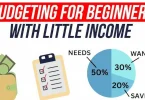
- 50/30/20 Rule:
- 50% for needs (rent, bills, groceries)
- 30% for wants (entertainment, eating out)
- 20% for savings and debt repayment
- Zero-Based Budgeting: Assign every dollar of income a purpose so that income minus expenses equals zero.
- Envelope System: Allocate cash for each category to avoid overspending.
- 50/30/20 Rule:
- Set Spending Limits
- Decide on maximum amounts for each category based on your income and goals.
- Example: $200 per month for entertainment, $500 for groceries, $300 for savings.
- Review and Adjust Regularly
- Check your budget weekly or monthly.
- Adjust spending limits if necessary due to changes in income or expenses.
- Track progress to stay on course with financial goals.
Tips for Budgeting Success
- Use tools: Apps like Mint, YNAB, or spreadsheets make budgeting easier.
- Be realistic: Allocate funds that are achievable to avoid frustration.
- Include a buffer: Leave room for unexpected expenses to prevent stress.
- Stay consistent: Daily or weekly tracking helps make budgeting a habit.
- Reward progress: Celebrate milestones to stay motivated.
Example in Action
If your monthly income is $3,000:
- Needs: $1,500 (rent, utilities, groceries)
- Wants: $900 (dining out, entertainment)
- Savings/Debt: $600 (emergency fund, investment, debt repayment)
By sticking to this plan and tracking your expenses daily, you can avoid overspending, save consistently, and gradually work toward medium and long-term financial goals.
Creating a budget is not about restricting yourself; it’s about gaining control, making smarter decisions, and ensuring your money works for you.
Build an Emergency Fund
An emergency fund is a financial safety net that protects you from unexpected expenses such as medical bills, car repairs, or job loss. Having a dedicated fund ensures that you can handle emergencies without going into debt or disrupting your financial goals. financial control and planning guide
Why an Emergency Fund Is Important
- Provides financial security: You can cover unexpected costs without stress.
- Prevents debt accumulation: Avoids borrowing money for emergencies.
- Supports long-term goals: Protects savings and investments from being depleted. financial control and planning guide
How Much to Save
- Financial experts recommend 3–6 months’ worth of essential expenses.
- Essential expenses include rent/mortgage, utilities, groceries, insurance, and minimum debt payments. financial control and planning guide
- Example: If your monthly essentials total $2,000, aim to save $6,000–$12,000.
Manage and Reduce Debt
Debt can be a major obstacle to financial control and long-term wealth if not managed properly. Learning to effectively manage and reduce debt is crucial for improving your financial health and achieving your goals.
Why Managing Debt Is Important
- Reduces financial stress: Lower debt means less worry about interest payments and due dates. financial control and planning guide
- Frees up money for savings and investments: Paying off debt allows you to allocate funds to more productive areas. financial control and planning guide
- Improves credit score: Responsible debt management increases your creditworthiness. financial control and planning guide
Steps to Manage and Reduce Debt
- List All Debts
- Include credit cards, personal loans, student loans, car loans, and any other liabilities. financial control and planning guide
- Note balances, interest rates, and minimum monthly payments.
- Prioritize Debts
- High-interest first (Debt Avalanche): Focus on paying off debts with the highest interest rates to save money in the long run.
- Smallest balance first (Debt Snowball): Pay off the smallest debts first to build momentum and motivation. financial control and planning guide
- Make More Than Minimum Payments
- Paying only the minimum keeps you in debt longer and increases total interest paid. financial control and planning guide
- Even an extra $20–$50 per month can significantly reduce repayment time. financial control and planning guide
- Avoid Accumulating New Debt
- Limit credit card usage and only borrow when necessary.
- Consider paying with cash or debit to prevent overspending.
- Negotiate When Possible
- Contact lenders to discuss lower interest rates or flexible repayment plans. financial control and planning guide
- Some companies may offer hardship programs to reduce financial strain.
Tips for Successful Debt Reduction
- Create a repayment plan: Use a calendar or app to track payments and deadlines. financial control and planning guide
- Automate payments: Avoid late fees and ensure consistency. financial control and planning guide
- Monitor progress: Celebrate milestones as you pay off each debt. financial control and planning guide
- Cut unnecessary expenses: Redirect savings toward debt repayment. financial control and planning guide
Example in Action
Suppose you have:
- Credit card debt: $3,000 at 18% interest financial control and planning guide
- Personal loan: $5,000 at 10% interest financial control and planning guide
Debt Avalanche Approach:
- Pay minimums on the personal loan while putting extra money toward the credit card. financial control and planning guide
- Once the credit card is paid off, focus on the personal loan. financial control and planning guide
Debt Snowball Approach:
- Pay off the $3,000 credit card first because it has the smaller balance, then move to the $5,000 loan. financial control and planning guide
By managing and reducing debt strategically, you free up money for savings, investments, and other financial goals while improving your overall financial health.
What is financial control and why is it important?
Financial control means managing your income, expenses, debts, and savings effectively to achieve stability and reach your goals. It prevents overspending and builds long-term wealth.
How do I start financial planning?
Start by:
Assessing your current finances
Setting clear, achievable financial goals
Creating a budget
Building an emergency fund
Managing debt and saving consistently
How much should I save for an emergency fund?
Experts recommend 3–6 months of essential expenses. This ensures you can handle unexpected costs like medical bills, car repairs, or job loss.
Conclusion
Taking control of your finances and planning effectively is the key to financial stability, growth, and peace of mind. By assessing your current situation, setting clear financial goals, creating a budget, building an emergency fund, managing debt, and automating savings and investments, you create a roadmap to reach both short-term and long-term financial objectives.
Financial control is not about restricting yourself—it’s about making informed, intentional decisions that allow your money to work for you. Small, consistent steps, like daily expense tracking, regular budget reviews, and disciplined saving, can lead to significant progress over time.
By following this guide, you can reduce financial stress, improve savings, pay off debt efficiently, and achieve your financial goals with confidence. The key is to start today, stay consistent, and adjust your plan as your life and circumstances evolve.