
Saving money is one of the most important habits for achieving financial security and peace of mind. Whether you want to build an emergency fund, go on a vacation, or invest for the future, knowing how to save effectively makes a huge difference.
Many people struggle to save because they don’t have a plan, spend impulsively, or aren’t sure where to start. The good news is that saving money doesn’t have to be difficult. With simple strategies, smart planning, and consistent habits, anyone can save effectively, no matter their income level. saving money effectively tips
In this guide, we will share practical tips and techniques for saving money effectively, including how to track your income and expenses, set goals, create a budget, reduce unnecessary spending, and make saving easier and more rewarding. Following these tips can help you take control of your finances and achieve your financial goals faster.
Understand Your Income and Expenses
The first and most important step to saving money effectively is to fully understand your financial situation. Knowing exactly how much money comes in and where it goes helps you plan better, cut unnecessary expenses, and save consistently.
Track Your Income
Start by listing all sources of income, including:
- Regular salary or wages
- Freelance work or side gigs
- Passive income like dividends, rental income, or online earnings
Knowing your total monthly income allows you to calculate how much you can realistically save while covering essential expenses.
Example: If your monthly salary is $2,500 and you earn an extra $300 from freelancing, your total income is $2,800. This is the amount you’ll work with to plan savings, spending, and investments.
List and Categorize Expenses
Next, make a detailed list of all monthly expenses and categorize them:
- Fixed expenses: Rent, utilities, insurance, loan payments
- Variable expenses: Groceries, transportation, dining out, entertainment
- Occasional expenses: Subscriptions, gifts, medical bills, annual fees
Tracking your spending for a month or two helps you see patterns and identify areas to cut back.
Tip: Don’t forget small daily purchases like coffee, snacks, or transportation fees—they may seem minor but can add up significantly over time.
Identify Essential vs. Non-Essential Spending
Ask yourself:
- Which expenses are necessary for my lifestyle?
- Are there costs I can reduce or eliminate?
- Which purchases are impulsive and avoidable?
This step helps you prioritize your money, ensuring essential needs are covered while freeing up funds for savings.
Tools to Track Your Finances
You don’t need to track everything manually. Consider:
- Apps: Mint, YNAB, PocketGuard – automatically track income and expenses
- Spreadsheets: Manually record income, expenses, and savings
- Journals: Write down every expense daily to spot patterns
Benefits of Understanding Your Income and Expenses
- Provides a clear starting point for creating a budget and saving effectively
- Helps identify areas for cost-cutting and smarter spending
- Gives insight into how much you can save monthly
- Builds confidence in managing your money
By clearly understanding your income and expenses, you gain the foundation to create a realistic budget, set achievable savings goals, and start saving money effectively. This step is crucial for building strong financial habits that last a lifetime.
you may also like to read these posts;
Personal Money Management Guide: Easy Tips for Beginners
Daily Money Management Routines to Save and Control Money
Financial Control and Planning Guide for Beginners
Fintech Solutions for Businesses: Streamline Your Finances
Set Clear Saving Goals
Setting clear saving goals is essential to saving money effectively. Goals give your money purpose and direction, helping you stay motivated and make smarter financial decisions.
Short-Term vs. Long-Term Goals
- Short-term goals: Achievable within a few months to a year. Examples:
- Saving $500–$1,000 for an emergency fund
- Paying off a small credit card balance
- Saving for a vacation or a new gadget
- Long-term goals: Take several years or more to achieve. Examples:
- Buying a house
- Saving for retirement
- Funding a child’s education
Distinguishing between short-term and long-term goals helps you prioritize your savings and plan your budget accordingly.
How Goals Guide Your Savings
Financial goals help you decide how much money to save each month. For example:
- If your goal is to build an emergency fund, you might allocate 10–20% of your income to savings first.
- If paying off debt is a priority, a portion of your savings can go toward debt repayment.
Goals also make saving more intentional, preventing impulse spending and helping you stay disciplined.
Tips for Setting Effective Saving Goals
- Be specific: Instead of “save money,” aim for “save $1,000 in 6 months.”
- Make it measurable: Track your progress weekly or monthly.
- Be realistic: Base your goals on your income and expenses. Start small to avoid frustration.
- Set deadlines: Timelines keep you accountable and motivated. Example: “Save $200 per month for 5 months.”
- Break large goals into smaller steps: Smaller milestones make big goals achievable and less overwhelming.
Benefits of Saving Goals
- Provides clarity and motivation
- Encourages consistent saving habits
- Helps balance short-term and long-term financial priorities
- Makes it easier to stick to your budget
By setting clear and achievable saving goals, your money starts working toward specific objectives, making it easier to save effectively and reach your financial dreams.
Create a Budget to Save
Creating a budget is one of the most effective ways to save money consistently and reach your financial goals. A budget helps you plan every dollar of your income, control spending, and prioritize saving. Without a clear budget, it’s easy to overspend or feel like you never have enough money for essentials and goals.
Why Budgeting Matters
- Gives you a clear picture of where your money goes each month
- Ensures that you prioritize needs, savings, and debt repayment
- Helps prevent impulse purchases and unnecessary expenses
- Reduces financial stress and builds confidence in managing money
- Keeps you on track toward achieving both short-term and long-term goals
Simple Budgeting Strategies
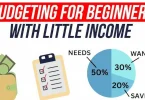
- 50/30/20 Rule
- 50% for needs: rent, utilities, groceries, transportation
- 30% for wants: dining out, hobbies, entertainment
- 20% for savings and debt repayment
Example: If your income is $3,000, allocate $1,500 for needs, $900 for wants, and $600 for savings or paying off debt.
Why it works: Simple, easy to follow, and balances spending and saving.
- Zero-Based Budgeting
- Assign every dollar of income a specific purpose, including savings and debt
- Ensure income minus expenses equals zero at the end of the month
Why it works: Gives full control over your money, helping prevent wasteful spending.
- Envelope System
- Allocate cash or digital envelopes for each category (e.g., groceries, entertainment)
- Spend only what’s in the envelope; when it’s empty, stop spending in that category Saving Money Effectively Tips
Why it works: Encourages mindful spending and prevents overspending on non-essential items Saving Money Effectively Tips
Tips for Sticking to Your Budget
- Track expenses daily: Use apps or a spending journal to record every purchase
- Review weekly: Adjust categories as needed to stay on track
- Set realistic limits: Avoid overly strict budgets that are hard to maintain
- Build in flexibility: Allocate a small buffer for unexpected costs or small treats
- Reward yourself: Celebrate small victories without breaking the budget
Tools to Help You Budget
- Budgeting Apps: Mint, YNAB, PocketGuard automatically track spending and categorize expenses Saving Money Effectively Tips
- Spreadsheets: A simple, customizable way to manually record and analyze income and expenses Saving Money Effectively Tips
- Cash Envelopes: Helps control discretionary spending and visualize limits
Benefits of Creating a Budget
- Enables you to save money consistently and reach financial goals faster
- Helps identify areas to cut back on unnecessary spending
- Provides financial clarity and confidence in handling money
- Encourages mindful spending and disciplined money habits
By creating a realistic, well-structured budget, you can take full control of your finances, save more effectively, and make meaningful progress toward your financial goals. A good budget turns saving from a challenge into a manageable and rewarding habit. Saving Money Effectively Tips
Reduce Unnecessary Expenses Saving Money Effectively Tips

One of the fastest ways to save money effectively is to cut unnecessary expenses. By identifying non-essential spending, you can free up more money for savings, debt repayment, or investing. Saving Money Effectively Tips
Identify Non-Essential Spending
Look closely at your spending habits and ask yourself:
- Which purchases are truly necessary?
- Are there recurring expenses I can reduce or eliminate?
- Am I spending on wants rather than needs?
Common non-essential expenses include:
- Unused subscriptions (streaming services, apps, magazines) Saving Money Effectively Tips
- Frequent dining out or takeaway meals Saving Money Effectively Tips
- Impulse purchases like clothes, gadgets, or luxury items Saving Money Effectively Tips
- Small daily expenses (coffee, snacks, rideshare trips) Saving Money Effectively Tips
Practical Tips to Cut Back
- Cancel unused subscriptions: Review monthly bills and eliminate services you rarely use. Saving Money Effectively Tips
- Cook at home: Preparing meals yourself can save hundreds of dollars per month compared to eating out. Saving Money Effectively Tips
- Shop smart: Look for discounts, cashback offers, and buy in bulk for essentials.
- Avoid impulse purchases: Wait 24–48 hours before buying non-essential items to see if you really need them. Saving Money Effectively Tips
- Set spending limits: Allocate a specific amount for discretionary spending and stick to it. Saving Money Effectively Tips
Monitor Small Daily Expenses
Even small purchases add up over time. Tracking these can help you see how much money is wasted and redirect it toward savings. Saving Money Effectively Tips
Example: Spending $5 daily on coffee adds up to $150 a month. Brewing coffee at home can save that amount and contribute to your savings goals. Saving Money Effectively Tips
Benefits of Reducing Unnecessary Expenses
- Frees up money for savings and financial goals Saving Money Effectively Tips
- Encourages mindful and intentional spending Saving Money Effectively Tips
- Helps achieve financial goals faster Saving Money Effectively Tips
- Reduces financial stress and builds better money habits Saving Money Effectively Tips
By carefully reviewing your spending and cutting back on non-essential expenses, you can maximize your savings without feeling deprived. Small adjustments in daily spending can make a big difference over time. Saving Money Effectively Tips
How can I start saving money effectively?
Begin by tracking your income and expenses, setting clear saving goals, and creating a budget. Start small and stay consistent with your plan.
How much should I save each month?
A good starting point is 10–20% of your income, but adjust based on your financial goals and monthly expenses. Even saving small amounts consistently can add up significantly over time.
Can I save money even on a tight budget?
Yes. Even with a limited income, you can save by:
Tracking every expense
Reducing non-essential spending
Automating small savings each month
Using creative challenges like no-spend days
Conclusion
Saving money effectively is not about strict restrictions or giving up everything you enjoy. It’s about making intentional choices with your money, planning wisely, and building habits that support your financial goals.
Start by understanding your income and expenses, set clear and achievable saving goals, and create a budget that prioritizes saving. Reduce unnecessary spending, automate your savings, and track your progress consistently. Even small changes, when applied consistently, can lead to significant results over time.
Remember, saving money is a journey, not a one-time task. By following these tips and staying disciplined, you can build financial security, reach your goals faster, and enjoy peace of mind knowing you are in control of your finances.